|
The Slaight Family Foundation Dementia Initiative brings together a powerful group of Canadian partners advancing dementia prevention, brain health and inclusive supports. In this edition, we highlight how coordinated action is driving real impact across the dementia care continuum.
Organizations featured in this issue include:
-
Baycrest, expanding brain health programming, public engagement and evidence-informed tools
-
Belmont House, cultivating connection through resident-centred care
-
Centre for Addiction and Mental Health (CAMH), implementing technology-enabled integrated care pathways in long-term care
-
Egale Canada, building inclusive dementia support for 2SLGBTQI communities
-
Sunnybrook Health Sciences Centre, growing integrated brain health services in seniors housing
-
The National Institute on Ageing (NIA), is hosting an upcoming webinar on how primary care providers can lead dementia diagnosis and management, plus the national report on Addressing Dementia in Canada is now available in French.
Together, these partners are turning research into practical impact — improving disability risk reduction, strengthening care, and enhancing quality of life for people living with dementia and their care partners. |
|
|
|
|
 |
Advancing Brain Health: Research, Reach and Real-World Impact |
|
Baycrest continues to lead in dementia prevention and brain health through research-driven innovation, public engagement and practical tools that empower individuals and caregivers. From expanding the reach of Defy Dementia and advancing brain health risk-reduction programming, to supporting caregivers with evidence-informed resources and delivering community-based workshops across Ontario, Baycrest’s work is translating science into meaningful, measurable impact. The updates below highlight how Baycrest is advancing brain health locally and globally — and equipping more people with the knowledge and tools to act.
Defy Dementia: Inspiring Action for Brain Health
Through its award-nominated podcast, dynamic live events and trusted online resources, Defy Dementia continues to empower the public to take action to protect their brain health.
With the generous support of the Slaight Family Foundation, recent highlights include:
-
17 podcast episodes released
-
18 public events hosted, including partnerships with the Shaw Festival and University of Toronto Global Alumni
-
888,000+ podcast listeners reached
-
43,000+ website visits
|
|
|
|
Defy Dementia remains committed to translating science into practical, everyday steps that help people reduce their dementia risk. Learn more at defydementia.org.
Kimel Family Centre for Brain Health and Wellness
The Centre’s personalized dementia risk-reduction programming continues to demonstrate meaningful impact. Participants show improvements in |
|
 |
|
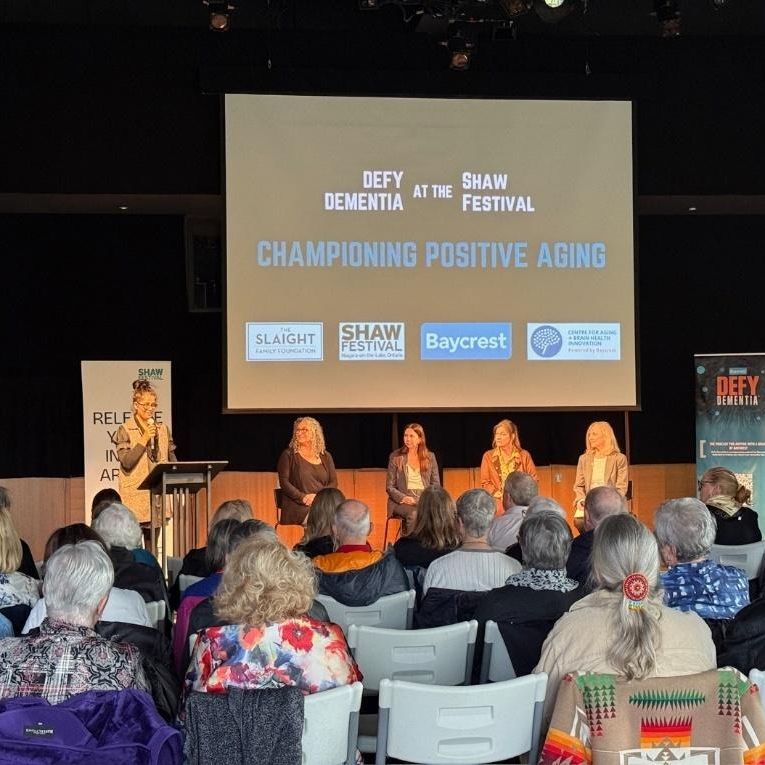
Defy Dementia at the Shaw Festival. Left to right: Pragna Desai (Shaw Festival), Dr. Allison Sekuler, Dr. Nicole Anderson, Sharry Flett, Bonnie Bagnulo |
|
|
|
physical activity, brain-healthy eating, cognition and reductions in loneliness, depression, anxiety and stress.
Importantly, results reveal that participants with moderate to high program adherence experience the strongest gains — and those benefits are maintained or even amplified at 12 months compared to six. Emerging health outcomes are also promising. Participants with higher adherence to Canadian physical activity guidelines show reductions in percent body fat, along with improvements in systolic blood pressure and grip strength.
These findings were presented on February 12, 2026, at the Second Annual International Conference on the Prevention of Alzheimer’s Disease in Geneva, Switzerland — underscoring Baycrest’s leadership in advancing dementia prevention science globally.
Canadian Caregiver Assessment and Resource Tool (C-CART™)
C-CART™ reflects Baycrest’s continued commitment to supporting caregivers with practical, evidence-informed tools.
Recently C-CART™ was featured on the podcast - The Hart of It All. Baycrest’s Dr. Adriana Shnall shared practical insights on dementia caregiving — including navigating ambiguous loss, strengthening caregiver–care partner relationships through empathy and the importance of thoughtful language. She also highlighted how C-CART™ translates these principles into tailored, actionable supports for caregivers across Canada. Listen to the full episode here.
Brain Health Assessments and Workshops
Expert-led Brain Health Workshops through the Baycrest Academy for Research and Education continue to expand community access to brain health education. Through more than 80 in-person and virtual sessions at community centres, libraries, charities and public events, workshops have reached over 7,000 Ontarians.
Participants also learn how to use Cogniciti’s free online Brain Health Assessment to monitor cognitive health from home.
In December, more than 180 participants joined the Virtual Brain Health Workshop on Hearing Loss as a Risk Factor for Dementia, featuring Baycrest audiologist Dr. Sylvia Ciechanowski. The session explored how hearing loss increases dementia risk and practical steps to reduce that risk. A recording is available online.
Upcoming in-person workshops include events across Smithville, Cambridge, Grimsby, Kitchener, Scarborough, St. Marys, Oakville, London and Welland. Workshops are free; some centres may require membership. To inquire about joining or hosting a workshop please contact workshops@cogniciti.com.
Baycrest Online Hearing Screening Tool
The Baycrest Online Hearing Screening Tool makes hearing care more accessible and empowering. From the comfort of home, individuals can check their hearing, connect with trusted audiologists and gain clarity on next steps.
Participant testimonials reflect how the service helps people feel informed, supported and confident in taking charge of their hearing health — an important step in protecting overall brain health. Try the Baycrest Online Hearing Screening Test today and learn what next steps to take.
|
|
|
|
|
|
 |
Belmont House: Cultivating Connection and Resident-Centred Care
|
|
|
|
|
|
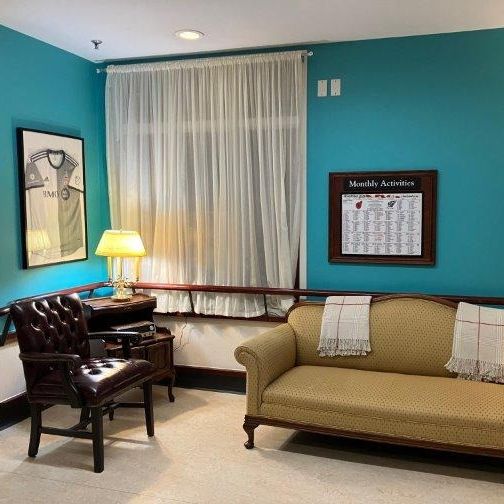
Belmont House continues to make meaningful progress in bringing the “Butterfly” model of care to life across the home. This resident‑centered philosophy emphasizes warmth, emotional connection, and everyday moments that help residents feel truly seen and valued. Our growing group of staff champions is playing an essential role, guiding frontline caregivers and modeling meaningful engagement throughout the day.
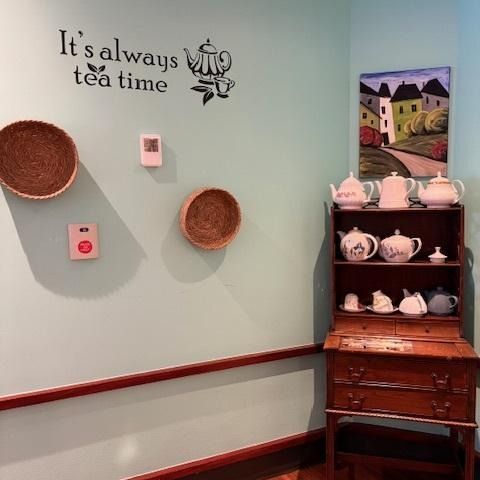
The impact of this collective effort is increasingly visible. We are observing deeper, more authentic engagement with residents, along with a renewed sense of spontaneity and joy in their daily routines. Simple shared activities—sitting down for a cup of tea, setting the table, baking cookies and using the ‘stuff of life’ together, are transforming day-to-day routines into genuine moments of connection. These experiences help create a sense of belonging and make the environment feel truly homelike, where residents are comfortable being themselves.
|
|
To ensure this culture continues to flourish, we are also developing a comprehensive sustainability plan that will support and reinforce the “Butterfly” philosophy long into the future. This plan prioritizes recruiting staff who share resident-centred values, integrating Butterfly education into onboarding, giving and receiving of observational feedback, and embedding Butterfly principles into annual performance evaluations. It also focuses on ensuring the resources needed for meaningful engagement practices, enhancing staff support and fully integrating the model into everyday operations so the warm, vibrant culture we are building remains strong and lasting.
|
|
|
|
 |
Technology-Enabled Integrated Care Pathway (Tech-ICP): Moving from Planning to Practice
|
|
The Centre for Addiction and Mental Health (CAMH) has begun implementation of the Technology-Enabled Integrated Care Pathway (Tech-ICP) in long-term care (LTC) homes across Ontario.
Tech-ICP strengthens how behavioural and psychological symptoms of dementia are recognized, assessed and supported in long-term care. The initiative aims to engage up to 40 homes, creating a coordinated, person-centred approach that prioritizes non-pharmacological strategies and reduces unnecessary medication use.
This quarter marks an important milestone: staff education rollout is now underway. Training sessions introduce point of care teams to the Tech-ICP pathway- including structured assessment tools, measurement tools and practical approaches to supporting residents experiencing Behavioural and Psychological Symptoms of Dementia (BPSD). Technology-enabled workflow supports are being integrated to improve communication, consistency and care planning across teams.
In parallel, several embedded research projects are advancing within Tech-ICP. These include wearable technologies to monitor BPSD changes, virtual reality (VR) tools to support staff training and resident-focused interventions and electrocardiogram (EEG) to better understand brain activity patterns associated with BPSD. Together, these innovation streams aim to enhance care, strengthen clinical insight for care teams and improve quality of life for elderly residents.
Lived experience remains central to the initiative, guiding family-facing materials and implementation strategies. Advisory partners have been engaged and are helping to shape communication strategies and education to ensure the TECH-ICP pathway reflects real-world caregiving realities and promotes dignity, clarity, and trust for residents and families.
As onboarding continues and pathway components become embedded in daily practice, Tech-ICP may become a scalable model for transforming behavioural dementia care across Ontario.
|
|
|
|
 |
Egale Canada: Building Inclusive Dementia Support for 2SLGBTQI Communities |
|
For four decades, since our founding in 1986, Egale has helped shape what equality and inclusion look like in Canada, from fighting for recognition under the Charter, to advancing legal protections and defending 2SLGBTQI communities in moments of backlash. The rights many people experience today did not happen by accident. They were built case by case, policy by policy, community by community. Over the next year, we’ll be sharing milestone moments that show how Egale’s work has helped move Canada forward. This is 40 Years of Progress. This is what it takes to build and defend equality. Learn more at egale.ca/40-years.
In January, as part of Alzheimer’s Awareness Month in Canada, we held our awareness webinar to deepen the understanding of dementia and its profound impact on those living with dementia and those who support them. The Canadian health care system still isn’t equipped for many in the 2SLGBTQI community who develop dementia. While care may be equal in principle, it is often not inclusive, culturally competent, or reflective of the unique needs and lived experiences of 2SLGBTQI older adults.
As we honour 40 years of progress, Egale continues to push for systems that uphold dignity at every stage of life, including ageing. Let’s change the way 2SLGBTQI people with dementia are treated. Explore Egale’s dementia‑related resources and view the recording of our free webinar, Help Us Remain: Understanding and Supporting 2SLGBTQI Experiences with Dementia, to gain practical tools and strategies for delivering identity‑affirming, inclusive care for 2SLGBTQI people living with dementia.
|
|
|
|
 |
Resilience and Connection: Brain Health in Toronto Seniors Housing |
|
Sunnybrook continues to be grateful for the support of the Slaight Family Foundation, SPRINT Senior Care, Baycrest, Toronto Seniors Housing and our many partners as the Sunnybrook Brain Health Project now serves 235 tenants across four Toronto Seniors Housing buildings. Tenants in these buildings continue to have access to integrated brain health care which includes primary care clinics, nursing clinics, recreation therapy services, occupational therapy, MINT memory clinics and comprehensive brain health education sessions.
Recently, Sunnybrook has developed strong care pathways with our Sunnybrook Rapid Access to Addictions Medicine (RAAM) program, Sunnybrook Health Sciences Centre Transitional Care Units and SPRINT Senior Care supportive housing teams, helping to ensure tenants have access to the right care at the right time in the right place.
SPRINT Senior Care has launched a grocery outing program enabling tenant choice, independence and true community access. Each week, every bus trip is fully booked and tenant feedback has been overwhelmingly positive. SPRINT Senior Care also leads the recreation therapy program and provides support to over 60 tenants in one to one sessions and 160 in larger group programs.
The next quarter will be focused on the development of complex care plans, an advanced care planning strategy, and continuing to action our plan to reach the difficult to reach.
Tenant Highlight:
Sunnybrook’s team attends regular tenant leadership circles to ensure our program planning aligns with the expectations of tenants. We recently received positive feedback from a tenant, Marilyn who said:
“People who live here are resilient. We’ve seen lots life has to throw at us and all we want is connection, recognition, and respect. We want to stay living here and you help us do that”.
|
|
|
|
 |
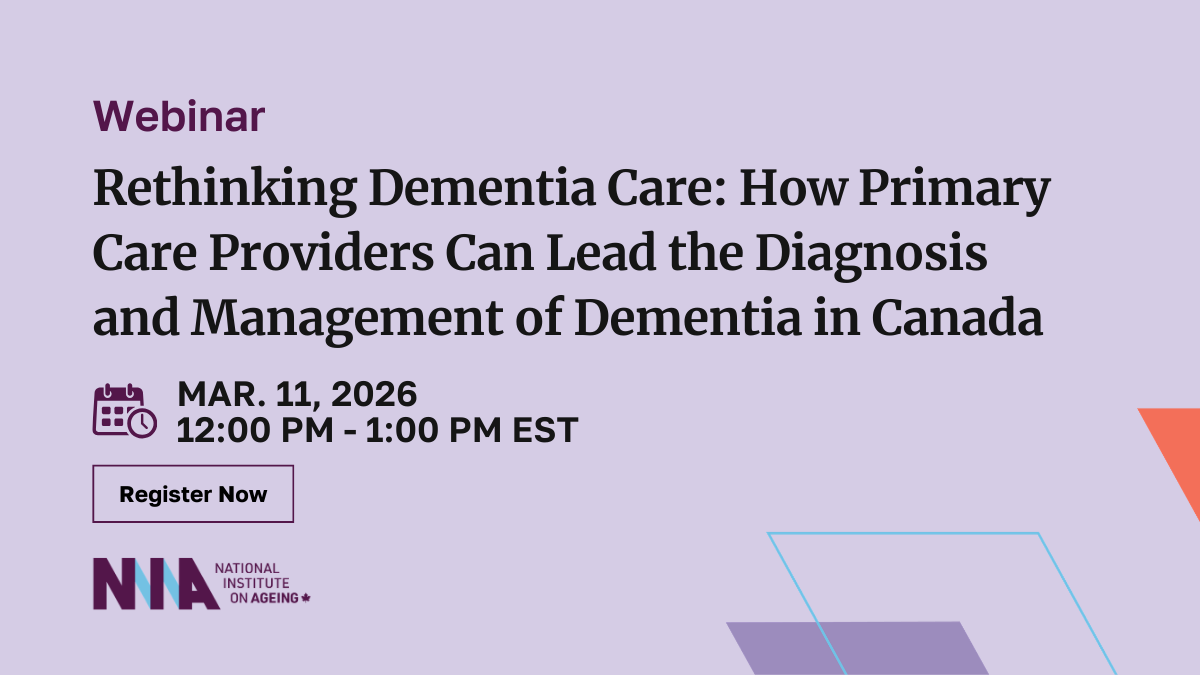
Webinar – Rethinking Dementia Care: How Primary Care Providers Can Lead the Diagnosis and Management of Dementia in Canada |
 |
|
Up to 70% of Canadians living with dementia remain undiagnosed — delaying access to the care and support they need.
Join Dr. Samir Sinha, Director of Health Policy Research, for a focused, evidence-driven discussion on how primary care providers can lead dementia diagnosis and ongoing management. Drawing on lessons from the MINT Memory Clinic model, this webinar will explore practical, team-based approaches that are transforming dementia care across Canada.
Speakers:
-
Dr. Linda Lee, Founder & Executive Director, MINT Memory Clinic
-
Dr. Michelle Casey, Primary Care Physician, MINT Memory Clinic (NB)
-
Andreanna King, Alzheimer Society of New Brunswick
-
Michael Lee, Managing Director, MINT Memory Clinic
-
Sana Adi, Engagement Director, MINT Memory Clinic
Register now: Webinar Registration - Zoom
National Dementia Report Now Available in French
The NIA is calling for urgent, coordinated action to improve dementia awareness, reduce risk and challenge stigma across Canada.
The French Report, Lutter contre la démence au Canada : Tendances actuelles, défis et possibilités en matière de sensibilisation du public, de réduction des risques et de lutte contre la stigmatisation concernant la démence, highlights the scale of the challenge:
-
74% of Canadians know someone who has or had dementia
-
Nearly 772,000 Canadians may be living with dementia in 2025, rising to 1.7 million by 2050
-
Yet awareness of prevention remains limited, despite evidence that nearly half of cases may be delayed or prevented
The report calls for:
-
Dementia strategies in every province and territory
-
Expanded public awareness to improve knowledge, reduce risk and fight stigma
-
Clear success metrics and transparent reporting on progress
Read the full report here.
Small Steps Big Difference Campaign Impact
The Small Steps Big Difference campaign continues to build national momentum around dementia risk reduction and prevention.
A recent Toronto Metropolitan University article on Alzheimer’s and dementia prevention featuring Dr. Samir Sinha, Reducing dementia risk: What research says about modifiable risk factors across the life course, was highlighted in Research Canada’s latest weekly newsletter, expanding its reach to a broad health research audience.
|
|
|
|
Together, the Slaight Family Foundation Dementia Initiative Partners are reshaping how we approach brain health and creating lasting impact for people living with dementia and their care partners. Learn more.
|
|
|
|
|