|
I returned to the National Institute on Ageing (NIA) at the end of April following my maternity leave and it has been both energizing and inspiring. Returning with a fresh perspective, I’ve been reminded just how quickly the conversation on ageing in Canada is evolving and how important the work of the NIA continues to be in helping shape that conversation with evidence, collaboration and practical solutions.
This month, we welcomed leaders from across the retirement income sector at our Pension Centre of Excellence Spring Symposium, continued national conversations around ageing in the right place and dementia care, expanded regional insights from the Ageing in Canada Survey and contributed to important policy discussions on issues ranging from elder abuse to the future role of AI in healthcare.
What continues to stand out to me is the growing appetite for collaboration. Governments, researchers, community organizations, health care leaders, financial institutions and older adults are all asking important questions about how we can build a country where people can age with confidence, dignity and security. These are complex challenges, but they are also opportunities to rethink how we support one another across generations.
On a personal level, returning to this work after becoming a parent has also deepened my appreciation for the importance of systems that support care, connection and wellbeing across the lifespan. Ageing policy is not just about older adults, it is about families, communities and the future we are collectively building together.
Thank you for continuing to engage with the NIA’s work and for being part of this growing national conversation.
Alyssa Brierley
Executive Director
National Institute on Ageing
|
|
|
 |
|
|
The most powerful CPP reform is right under our noses – and it’s cost-efficient |
|
|
|
|
|
In last month’s spring economic update, the federal government announced plans to reduce the base Canada Pension Plan contribution rate to 9.5% from 9.9%, acknowledging the cost-of-living pressures households face today.
But as stewards of the CPP, federal and provincial finance ministers must balance two questions: Are we collecting the right level of contributions to sustain the plan? And are we delivering the best retirement outcomes?
The rate cut is a welcome relief and answers the first question, but the second still needs an answer. With the largest cohort of workers in history entering retirement, getting the most out of CPP has never mattered more. |
|
|
| READ THE FULL COMMENTARY |
|
|
Pension Centre of Excellence Brings Together Leaders at Spring Symposium and Welcomes New Members |
|
|
|
|
 |
|
|
|
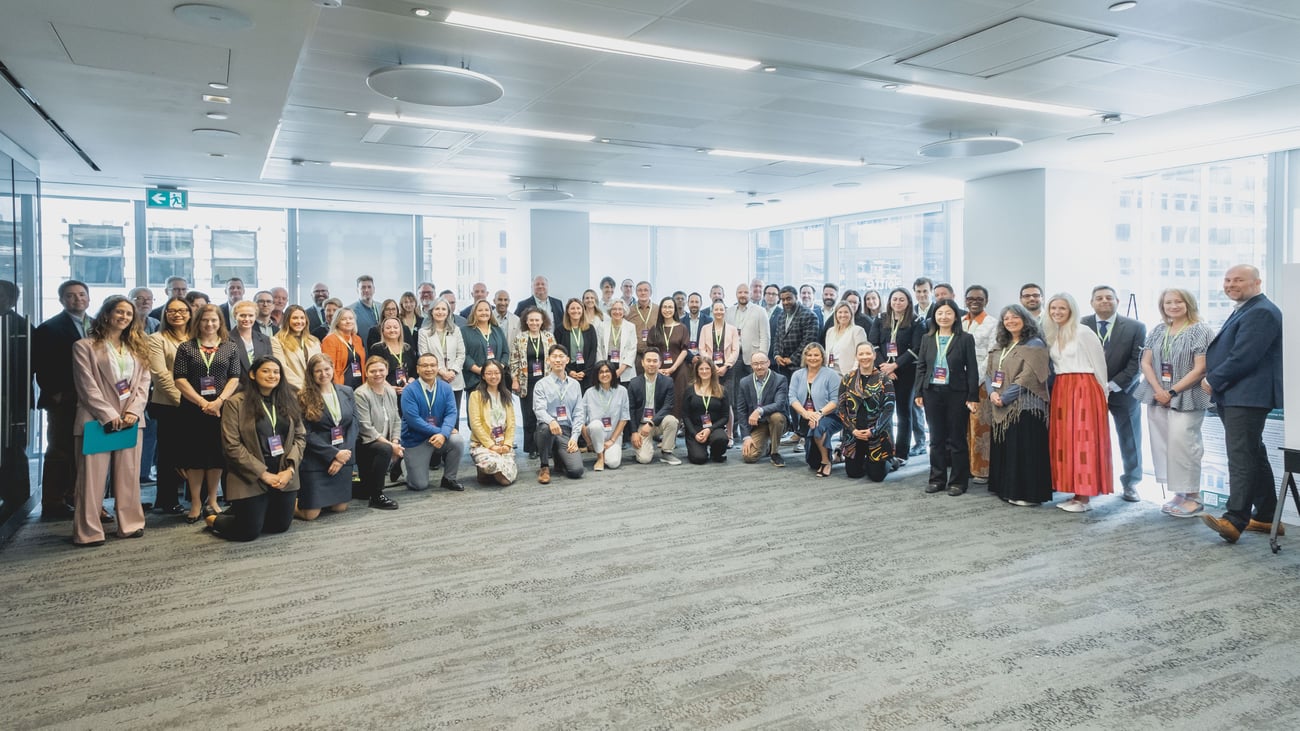
The NIA’s Pension Centre of Excellence (PCE) welcomed retirement sector leaders to its 3rd Symposium, focused on strengthening retirement income security in Canada through better pension communication, research and collaboration. The event also marked the addition of four new PCE members: BlackRock, CAAT Pension Plan, Fidelity Canada Institutional and TTC Pension Plan.
As Canada is now a “super-aged” society, collaboration across sectors has never been more important to strengthening retirement income security. The theme of this Symposium was Pension Communication: From Strategy to Implementation. The Symposium explored practical, evidence-informed solutions to help Canadians make more informed retirement-planning decisions and improve long-term financial well-being, with a focus on translating pension communication strategies into real-world action. |
|
|
| READ THE FULL PRESS RELEASE |
|
|
Pre-Budget Submission to the House of Commons Standing Committee on Finance |
|
|
|
|
|
The NIA has released its latest pre-budget submission to the House of Commons Standing Committee on Finance in Advance of the 2026 Budget, urging the federal government to take concrete action to better support older Canadians. The submission outlines seven key recommendations focused on strengthening healthy ageing, improving financial security, enhancing supports for caregivers and ensuring communities are better prepared to meet the needs of an ageing population. |
|
|
|
|
|
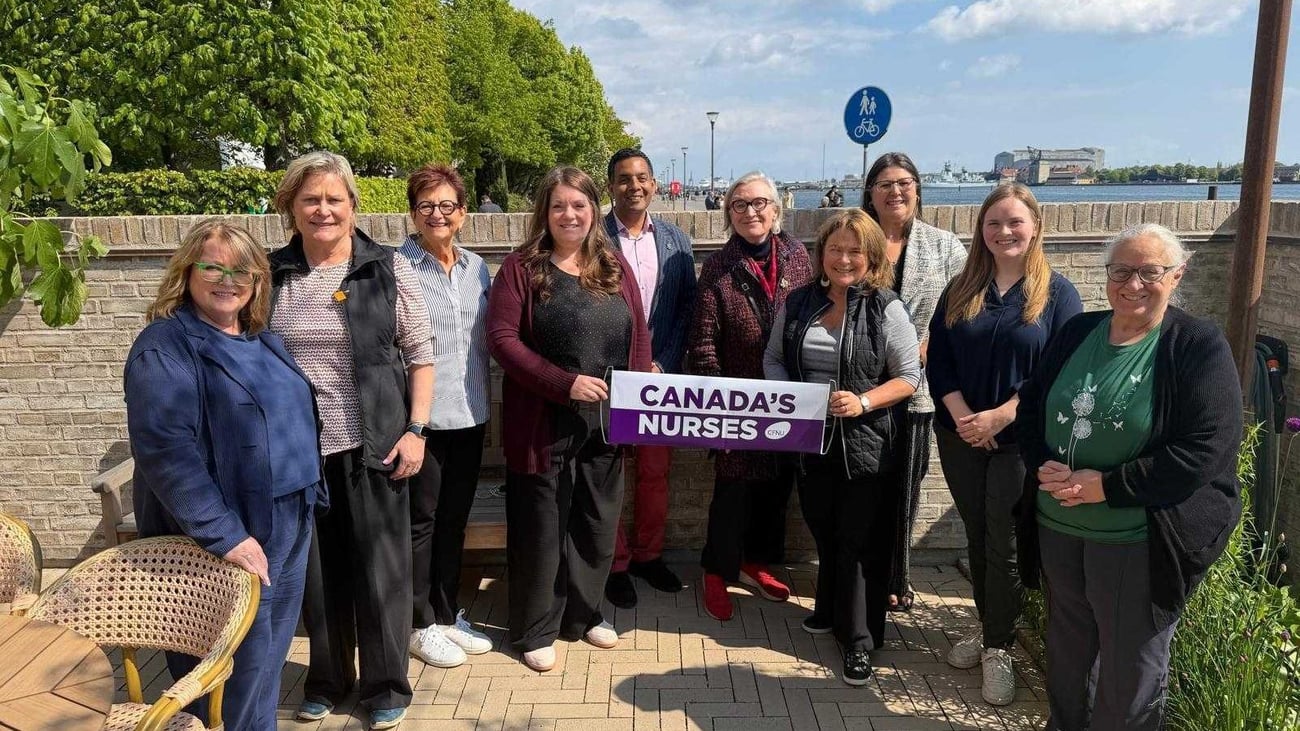
This month, Dr. Samir Sinha travelled to Denmark with the Canadian Federation of Nurses Unions (CFNU) to explore the country’s evolving health and eldercare reforms. The delegation was welcomed by Dr. Carolyn Bennett, Canada’s Ambassador to Denmark. As Canada becomes a super-aged society, Denmark’s approach offers valuable lessons for supporting older adults through coordinated national policies and systems. Stay tuned for a new instalment of the NIA’s Ageing Beyond Borders series in partnership with the CFNU.
Dr. Samir Sinha travelled to Fredericton, New Brunswick to deliver the opening keynote "Appreciating the Implications of Canada’s Coming of Age," at the National Association of Public Trustees and Guardians conference on May 26th, focusing on the implications of Canada becoming a super-aged society. He also delivered the banquet address at Government House, hosted by Lieutenant-Governor Louise Imbeault, with the Hon. Minister Lyne Chantal Boudreau, the Minister for Seniors, the Minister of Justice and AG and the Hon. Rob McKee in attendance. |
|
|
 |
|
Christian Whalen (Public Trustee for New Brunswick), Dr. Samir K. Sinha (NIA), Lyne Chantal Boudreau (Minister of Seniors; Minister responsible for Women and Gender Equity), Rob McKee (Minister of Justice; Attorney General; Minister responsible for Addictions and Mental Health Services) |
|
|
|
Later that evening, he also participated in a public forum on the future of long-term care in New Brunswick, joining national leaders in ageing, health policy and human rights to discuss dignity, accountability and long-term care reform for older adults. Hosted by St. Thomas University, the Office of the New Brunswick Advocate and the Office of the Public Trustee, this public event featured presentations by experts in long-term care and ageing. The evening concluded with a panel discussion examining the future of long-term care in New Brunswick, including reflections on the province’s recently released long-term care plan and how communities can ensure dignity, safety and accountability for older adults. |
|
|
Supporting a UN Convention on the Rights of Older Persons |
|
|
|
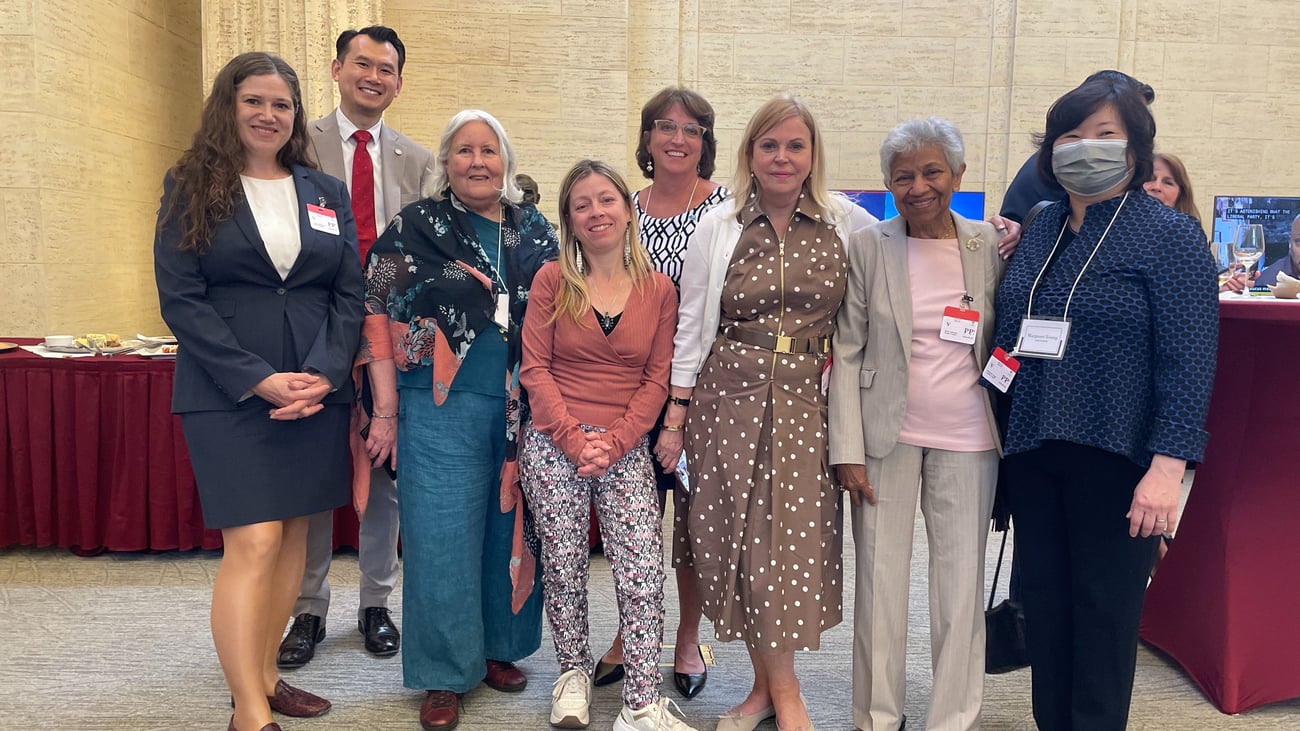
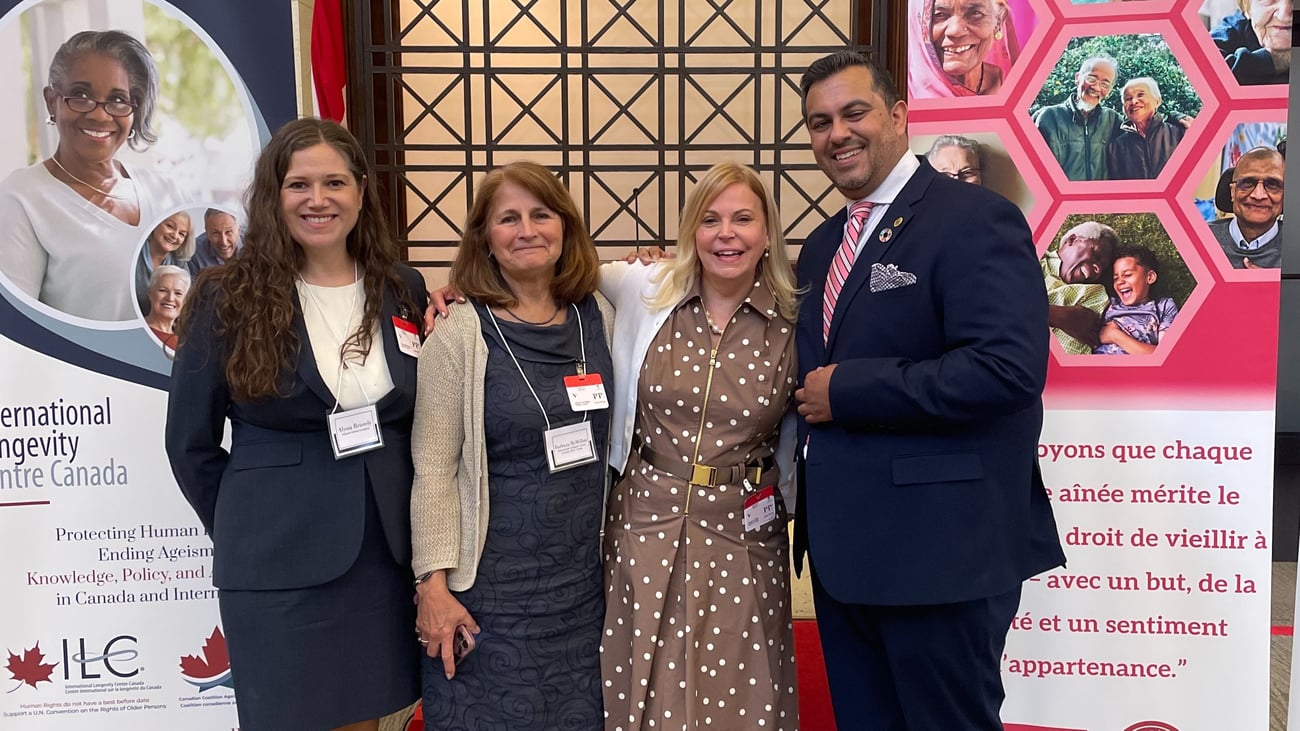
NIA’s Executive Director Alyssa Brierley joined other ageing sector leaders, Senators and Members of Parliament on Parliament Hill on May 26 to advocate for a proposed UN Convention on the Rights of Older Persons. The discussion highlighted the urgent need for Canada to support stronger international protections for older adults as populations age globally and at home. |
|
|
|
|
 |
|
Alyssa Brierley (NIA), Yongjie Yon (WHO), Leslie Gaudette (Langley Seniors in Action COSCO), Andreanne Larouche (Bloc Québécois critic for Seniors), Trish McAuliffe (National Pension Federation), Margaret Gillis (ILC Canada), Satya Brink (ILC Canada), Margaret Young (Age Knowble) |
|
 |
|
Alyssa Brierley (NIA) Barb McMillan, Men’s Sheds Canada, Margaret Gillis (ILC Canada), Kahir Lalji (HelpAge) |
|
|
|
|
Ageing in the Right Place: Why Technology Must Both Protect and Enable Dignity, Autonomy and Trust, Not Just Detect Risk |
|
|
|
|
|
What does it really take to help older adults age safely and confidently at home? In this new commentary, Dr. Samir Sinha explores how technologies like fall detection systems, GPS supports and connected care can support ageing in the right place and why dignity, autonomy and trust must remain at the centre of innovation.
The blog builds on a recent webinar hosted with |
|
|
|
the MedicAlert Foundation, where Dr. Sinha and MedicAlert CEO Leslie McGill discussed the practical tools, supports and planning needed to help older adults age well at home, as well as the new research partnership between the NIA and the MedicAlert Foundation that will further explore this area. |
|
|
| WATCH THE WEBINAR |
|
|
Changing the Conversation Around Ageing in Canada |
|
|
|
The NIA was pleased to participate in Manulife’s national online panel discussion, Turning Insights into Action: Changing the Conversation around Ageing in Canada. NIA Director of Policy Talia Bronstein joined moderator Rob Carrick alongside leaders from Manulife Canada and Manulife Private Wealth to discuss key issues shaping the ageing experience in Canada. Drawing on findings from the NIA’s 2025 Ageing in Canada Survey, supported by Manulife and Waltons Trust, Talia highlighted the importance and challenges of staying socially connected, ageing at home and working longer. |
|
|
|
|
|
|
|
Rob Carrick (Former Globe and Mail Staff Columnist), Talia Bronstein (NIA), Nicole Welbanks (Manulife Canada), Holly Brooks (Manulife Canada) |
|
|
 |
|
|
NEW Provincial and Regional Infographics |
|
|
|
|
|
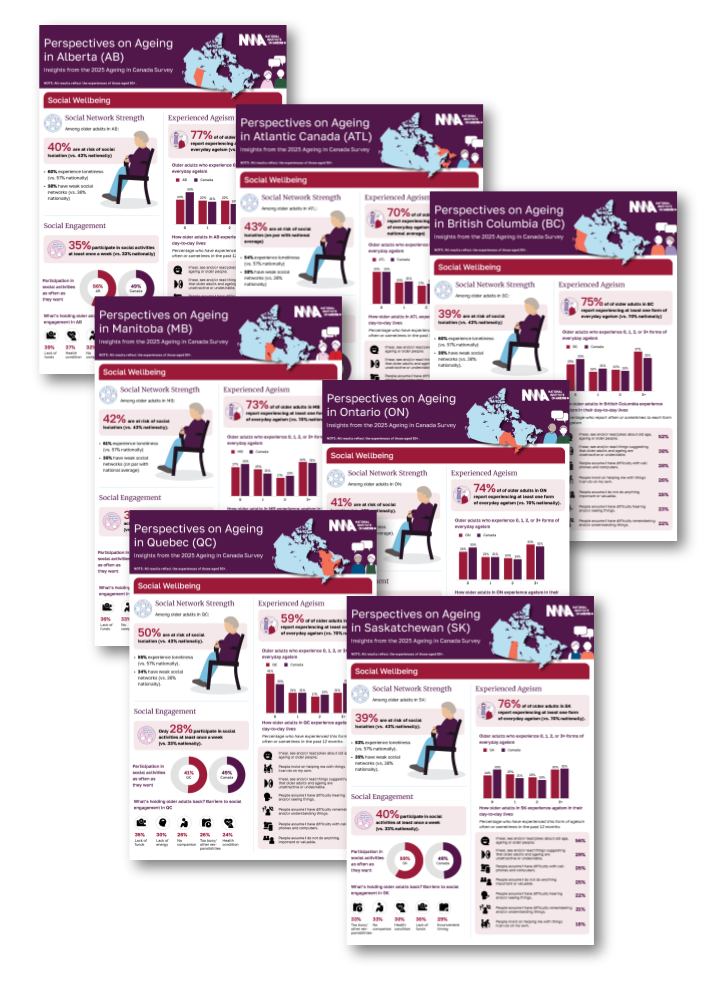
The NIA has released a new series of provincial and regional fact sheets from the 2025 Ageing in Canada Survey, offering a closer look at how older adults across Canada are experiencing ageing, financial security, health care access, social connection and ageism in their communities. These resources highlight both shared national trends and important regional differences to help inform policy, planning and conversations about ageing across the country.
|
|
|
|
|
| LEARN MORE |
|
|
 |
|
|
Welcoming Entente Education Canada Summer Scholars |
|
|
 |
|
|
|
The NIA is pleased to welcome Hannah Gans and Firoozeh Bairami as this year’s Entente Education Canada Summer Scholars. Hannah’s research focuses on ageism and intersectionality, while Firoozeh’s work explores ageing policy, health economics and retirement income security. We look forward to their contributions this summer.
|
|
|
The NIA Welcomes Six Additional Summer Students |
|
|
 |
|
|
|
In addition to our Entente Summer Scholars, the NIA is excited to welcome six summer students: Samin Barakati, Olivia Daley, Chloe Huang, Jenna Peters, Alina Zaidi and Almira Zhantuyakova. NIA summer students support research and policy initiatives across the organization. Bringing expertise in areas including gerontology, public policy, neuroscience, AI and healthy ageing, these students will contribute to projects focused on improving the lives of older adults and the systems that support them.
|
|
|
 |
|
|
 |
|
|
|
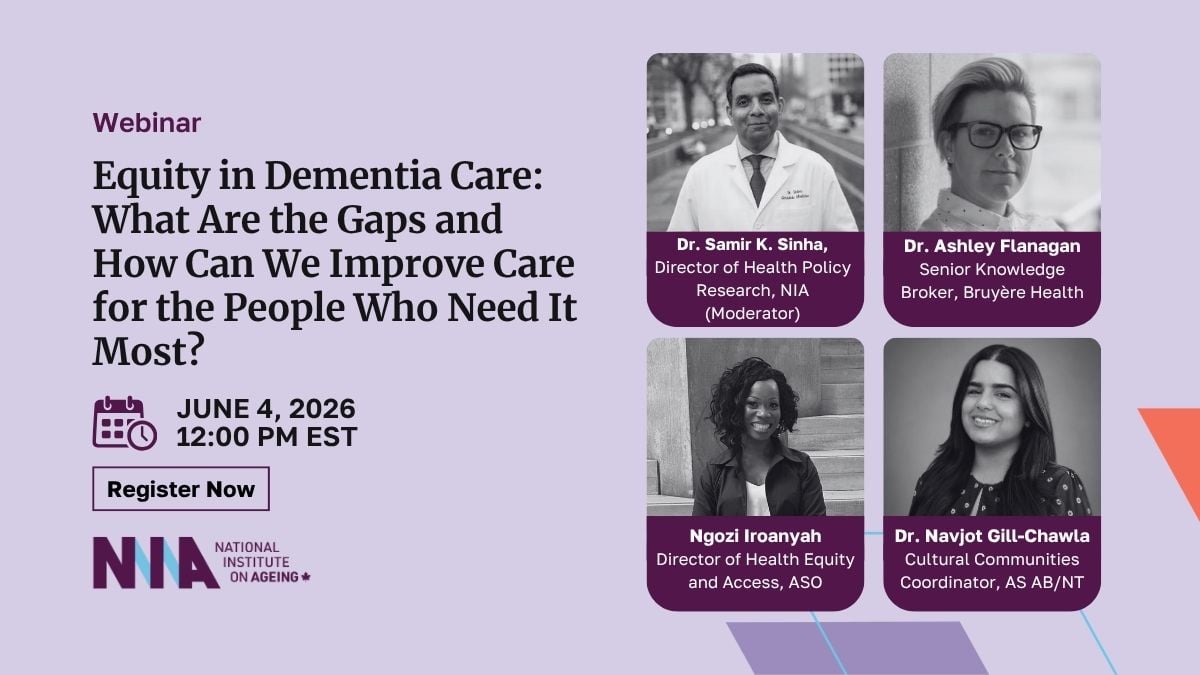
Too many people living with dementia and their primary unpaid caregivers continue to face barriers to culturally safe, inclusive and affirming care across Canada.
Taking place during Pride Month, this webinar will explore the systemic inequities affecting racialized, culturally diverse and 2SLGBTQI+ communities and discuss what equitable dementia care can look like for those navigating intersecting identities and systemic barriers.
Join us for a discussion on:
-
Gaps in dementia care systems across Canada
-
The barriers faced by people navigating intersecting identities
-
What equitable and inclusive dementia care can look like
-
How we can build systems that better support people living with dementia and their caregivers
Date: June 4, 2026
Time: 12:00 p.m. ET
|
|
|
| REGISTER HERE |
|
|
 |
|
|
|
|
New National Report from CCCE: Caring in Canada 2026 |
|
|
|
A new national report from the Canadian Centre for Caregiving Excellence highlights the growing pressures facing Canada’s caregivers, including financial strain, burnout and impacts on workforce participation. As Canada’s population ages, the report calls for urgent government action to better support caregivers and strengthen the country’s care systems.
|
|
|
| READ THE REPORT |
|
|
Eh Sayers podcast: The Grey Anatomy of Canada |
|
|
|
Canada’s population is changing fast. Fewer kids, longer lives and aging boomers are reshaping housing, schools and care. Patrick Charbonneau of Statistics Canada explores the sandwich generation squeeze and the upside of ageing.
|
|
|
| LISTEN HERE |
|
|
Defy Dementia™ Episode 35: A Shot at Prevention? The Shingles Vaccine & Dementia Risk |
|
|
|
Could a routine vaccine help protect brain health? In this episode of Defy Dementia™, Ron Swan and Dr. Dawn Bowdish explore emerging research linking shingles vaccination and reduced dementia risk and what these early findings could mean for healthy ageing. Tune in at defydementia.org or wherever you get your podcasts.
|
|
|
| LISTEN HERE |
|
New report: Generative AI in Canadian Healthcare |
|
|
|
CSA’s new report, A Complement, Not a Substitute: Generative AI’s Role in Canadian Healthcare in 2026, explores how GenAI can support Canada’s healthcare system by improving documentation, information access and patient navigation — while emphasizing the need for strong safeguards and clinician oversight.
|
|
|
| READ THE REPORT |
|
|
New report from CCSMH: Addressing Social Isolation and Loneliness |
|
|
|
The Canadian Coalition for Seniors’ Mental Health (CCSMH) has released a new report examining how Canada can strengthen its response to social isolation and loneliness among older adults through improved policy, education and system-wide coordination. The report outlines practical actions to help build a more connected and supportive system for older adults.
|
|
|
| READ THE REPORT |
|
|
Invitation to Support a University Research Study on AI and Healthy Aging |
|
|
|
Adults aged 55+ are invited to participate in a research study from Memorial University examining how AI-based assistive technologies may support healthy ageing and independence at home. Participants will watch a short video and complete a 15–20 minute online survey about AI tools designed to help older adults manage daily health tasks.
|
|
|
| LEARN MORE |
|
|
|
|
|
|
|
|
|
|
|
|
TMU National Institute on Ageing Fund |
|
Help create a Canada where older adults feel valued, included, supported and better prepared to age with confidence by making a charitable gift to the TMU National Institute on Ageing Fund today. Gifts to the TMU National Institute on Ageing Fund make a tangible impact on the future of ageing in Canada. You choose the amount. You make the difference. |
|
| DONATE TODAY! |
|
|
|
|
|
|