|
Welcome to the Third Edition of the Slaight Family Foundation Dementia Initiative Newsletter.
This issue highlights the incredible progress our partners are making to advance dementia prevention, strengthen care, and build more inclusive supports for older adults across Canada.
From community-based brain health workshops to groundbreaking care models and innovative educational tools, each story reflects the shared mission of ensuring that every person living with dementia—and their care partners—can age with dignity, connection, and purpose.
Inside, you’ll find:
-
New and expanded brain health and prevention initiatives led by Baycrest and Sunnybrook
-
A look into Egale’s new experiential learning series on inclusive dementia care
-
Updates on care navigation, caregiver support, and tech-enabled care models
-
Inspiring stories of impact from across our partner network
Together, these initiatives continue to transform the landscape of dementia care, and research in Canada. |
|
|
|
|
Baycrest: Driving Change in Brain Health Awareness and
Dementia Support |
|
|
|
With generous support from the Slaight Family Foundation, Baycrest is leading new
efforts to prevent dementia, strengthen caregiver support and create more accessible
care pathways.
1. Explore Brain Health with Cogniciti
Cogniciti’s expert-led Brain Health Workshops help older adults learn practical
strategies for healthy ageing and memory wellness. This past year, Cogniciti delivered
60+ workshops to 3,000 participants across Ontario and connected with communities
at senior fairs and local centres.
Bring a Workshop to Your Group
Community organizations can book a workshop to spark conversations about brain
health, memory changes and available assessments. Our Community Engagement
Coordinators are ready to assist.
Tools You Can Use at Home
Individuals can also explore:
Upcoming Workshops:
-
Nov 21 – Ted Wake Centre, Cambridge
-
Nov 27 – Town of Milton
-
Dec 2 – Milton Public Library (virtual)
-
Dec 17 – Meadowvale Seniors Social Club, Mississauga
Workshops are free; some centres may require membership to register.
2. Scaling Personalized Prevention at the Kimel Family Centre for Brain
Health and Wellness
The world’s first research-driven community centre for brain health continues to grow,
reaching more people and expanding its impact. Every member begins with a
comprehensive personal assessment to understand their dementia risk, considering
genetics, lifestyle and health factors. From there, participants are matched with
tailored programs designed to reduce risk, boost cognition and support overall
wellbeing.
-
Nearly 500 members are now part of the community.
-
246 have completed six-month reassessments and 121 reached their one-year
milestone
-
Program offerings have doubled from 145 to 313 this year
-
Evening and Sunday sessions are now available to support working adults
Community Engagement and Inclusion
A new graduate student is focusing their studies on culturally appropriate dementia
literacy for Filipino, Chinese, South Asian, Italian, and Black communities. Community
champions are being hired to advance this work, with a Latino community champion in
planning.
Promising Early Results
Participants closely following prevention plans are showing measurable improvements
in cognition and reductions in dementia risk. Findings have been shared at major
conferences, including AAIC and the Canadian Conference on Dementia.
3. Baycrest Online Hearing Screening Tool: Reaching More Canadians
Baycrest reached its first-year goal of 1,000 online hearing screenings by August
2025. Hearing loss is one of the most modifiable dementia risk factors and this free
tool helps Canadians take early steps toward better hearing health.
Partnerships with community organizations, including Living Long in the Distillery,
Toronto Seniors Housing, and TMU’s 50+ Festival, have helped extend reach through
events and outreach activities.
4. Defy Dementia: Empowering the Public to Protect Their Brain Health
Through its award-nominated podcast, live events and online resources, Defy
Dementia continues to inspire action.
Since the start of the generous support of the Slaight Family Foundation, highlights
include:
-
13 podcast episodes released
-
15 public events hosted
-
500,000+ listeners reached
-
42,000+ plays of the Canuckle Brain Health Edition in 47 countries
Learn more: defydementia.org |
 |
(Left to right: Dr. Allison Sekuler, Marva Smart, Dr. Mireille Norris at Scarborough’s S.T.R.I.V.E. Health and Wellness Symposium)
5. C-CART™: Supporting Canada’s Caregivers
Baycrest’s Canadian Caregiver Assessment & Resources Tool (C-CART™) helps
caregivers assess needs and connect to local supports through a free national self-
assessment platform.
In just 10–15 minutes, users can complete a personalized assessment and access
tailored resources related to health, respite, finances, and more.
6. Central Navigation at Baycrest
Central Navigation serves as the single point of access for Baycrest Ambulatory
Services. A team of Clinical Navigators, Social Workers, Occupational Therapists,
Registered Nurses and Administrative staff collaborate with community agencies and
primary care providers to ensure timely, coordinated care.
Each case is carefully assessed to match clients with the most appropriate services,
avoid duplication and prioritize urgent needs
Referrals: Ambulatory Services Referral Page |
|
|
|
Belmont House: Creating a Home Where People Living With Dementia Can Truly Be Themselves
|
|
|
|
Belmont House is making significant strides in fully implementing the “Butterfly” model of care throughout the home. This person-centered approach focuses on creating a warm, engaging environment where residents feel valued and connected. Based on feedback from staff, we have refined our implementation plan and strengthened our training program to ensure success. A growing team of staff champions is actively supporting frontline caregivers, modeling meaningful engagement every day.
The impact has been remarkable. Team members report stronger personal connections between residents and staff, along with a renewed sense of spontaneity and joy in daily life. Simple activities—like having tea, baking bread, cooking bacon, or flipping grilled cheese sandwiches together—are transforming mealtimes into shared experiences. These moments foster a sense of belonging and make the home feel authentic. Residents are truly “free to be themselves,” and the atmosphere is increasingly vibrant and homelike.
Learn more: belmonthouse.com
|
|
|
|
Technology-Enabled Integrated Care Pathway (Tech-ICP): Strengthening Partnerships and Preparing for Implementation
|
|
|
|
The Tech-ICP initiative, led by the Centre for Addiction and Mental Health (CAMH) with support from the Slaight Family Foundation Dementia Initiative, continues to build momentum toward improving care for people living with dementia in long-term care (LTC) homes across Ontario.
The past quarter marked a period of significant groundwork and partnership building. The Tech-ICP team completed organizational readiness assessments with several partners, including Providence Healthcare, The Salvation Army Meighen Manor, Copernicus Lodge, and Belmont House, each representing diverse organizational contexts and levels of readiness for project implementation. These assessments have provided valuable insight into leadership engagement, staff capacity, and existing behavioural care practices, ensuring that the pathway is tailored to the realities of frontline LTC environments.
Beyond these initial sites, the team is in active engagement with an additional 30 LTC homes, including those from the City of Toronto Seniors Services and Long-Term Care, the Region of Durham, and Sienna Senior Living LTC networks.
The Integrated Care Pathway (ICP) has been finalized, outlining structured steps for early identification, assessment, and management of behavioural and psychological symptoms of dementia. The clinical protocols supporting the ICP have been submitted to Clinical Trials Ontario (CTO). The Quality Improvement (QI) project is currently under review by the CAMH Quality Project Ethics Review (QPER).
Meanwhile, the team has developed a suite of education and training materials to prepare LTC staff for implementation. These resources combine interactive modules, case-based learning, and practical workflow tools designed to build confidence in using structured documentation and non-pharmacological strategies. Two LTC homes will participate in a pilot of the training program, marking the next step in bridging research and real-world practice.
Collaboration remains central to Tech-ICP’s success. The project is working closely with the Toronto Dementia Research Alliance (TDRA) network of hospital partners and Geriatric Mental Health Ontario Team (GMHOT) clinicians across the province, including collaborators from Scarborough Health Network and Humber River Health. The team is also partnering with Ontario Tech University on simulation and virtual reality-based training tools to enhance staff learning experiences. Together, these partnerships are fostering a model of care that is evidence-informed, technology-enabled, and built on shared learning across organizations.
As the initiative prepares for implementation, Tech-ICP continues to demonstrate how coordinated innovation, combining digital tools, education, and interprofessional teamwork, can help transform behavioural health care for residents living with dementia and the staff who support them every day.
|
|
|
|
Egale Canada: Championing Inclusive Dementia Support Through Partnerships and Storytelling |
|
|
|
“It’s a cool Tuesday morning. The waiting room is calm, the buzz of printers and murmured greetings filling the air.
Blake Durocher, 55, sits in a corner chair, laptop bag at their feet, fingers tapping nervously. They have come to the clinic to discuss the results of a recent cognitive assessment.
After decades of hiding, Blake had come out as queer two years ago, changed their name legally, and started to live with a sense of fragile freedom. This appointment feels like the next turning point, but not the one they hoped for...”
This excerpt introduces Egale’s new transformational and experiential learning series, drawn from real-life stories captured in the Gallery of Memories audiobook.
In collaboration with Slaight partners and subject matter experts, Egale is developing visually engaging, scenario-based interactive learning modules to help caregivers better
understand the lives and needs of their 2SLGBTQI patients.
Stay tuned for upcoming previews and updates!
|
 |
|
Digital art featuring four identical, expressive portraits of a person with dark skin, bald head, and hand on chest, evoking shock, fear, grief, and quiet devastation, against a backdrop of vibrant, abstract purple, yellow, and red shapes, with the text 'HELP US REMAIN' above
|
|
|
|
Sunnybrook Health Sciences Centre: Breaking Barriers and Building Trust Through the Brain Health Project
|
|
|
 |
|
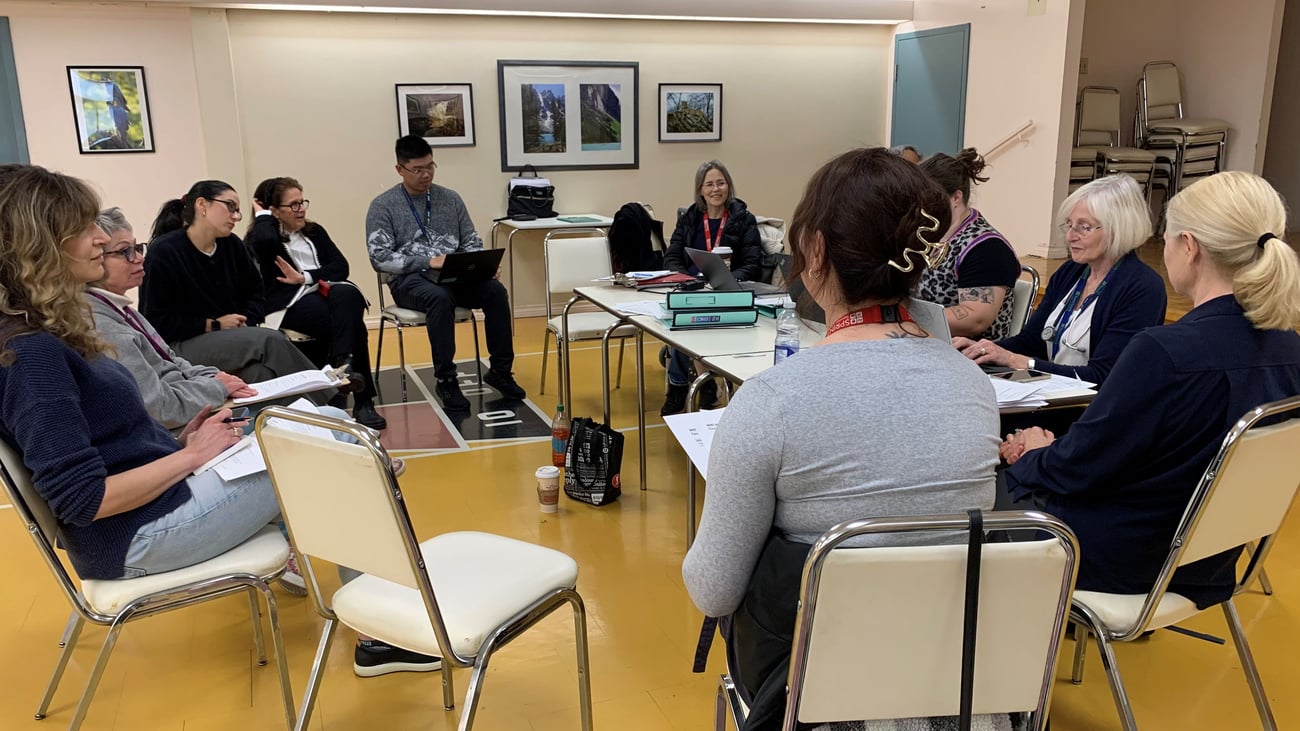
MINT clinic- Photo of a MINT clinic in action at a Toronto Seniors Housing building. This is a collaboration between Sunnybrook Health Sciences Centre, SPRINT Senior Care, and Baycrest. |
|
 |
|
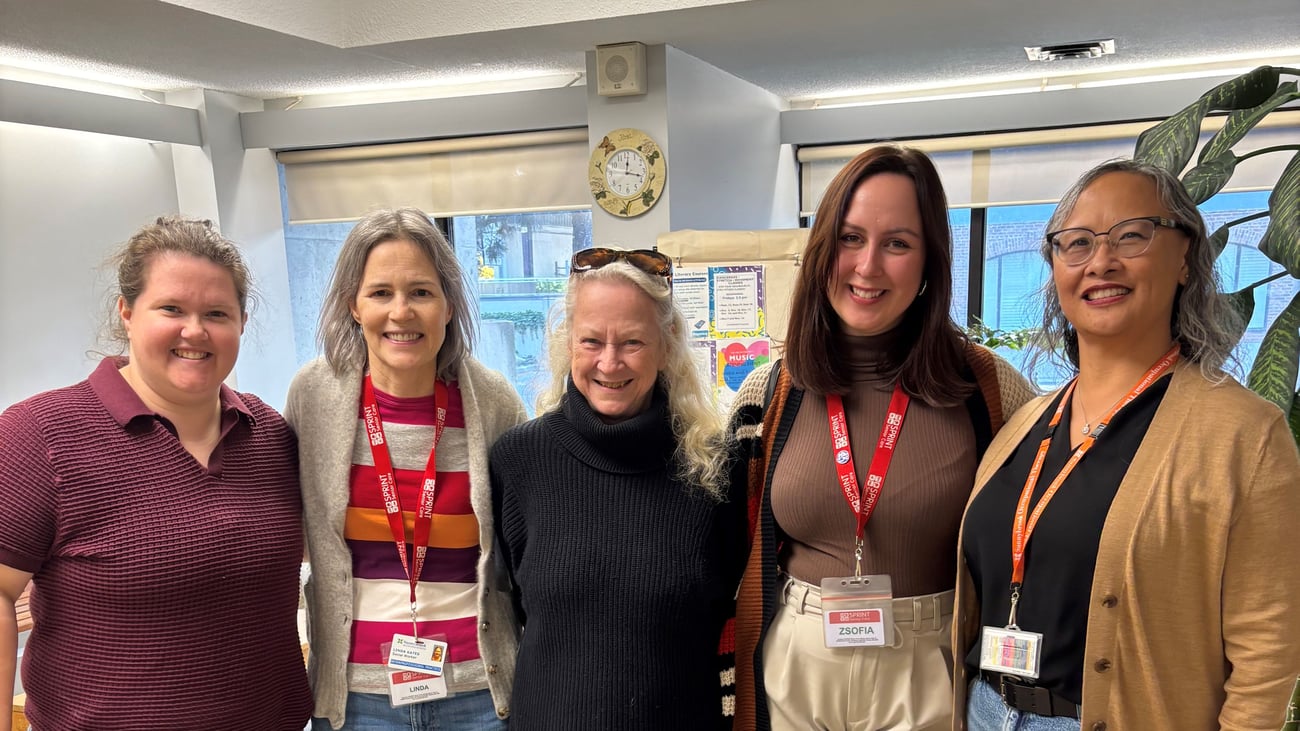
Photo of a brain health project tenant who has received comprehensive wrap-around care from the team and is now living safely in the community. |
|
|
The Brain Health Project: Building Connection and Care in Toronto Seniors Housing
Thanks to the Slaight Family Foundation’s support, the Sunnybrook Brain Health Project now serves 182 tenants across four Toronto Seniors Housing buildings, delivering integrated, wrap-around care.
Tenants have access to primary care visits, a registered nurse, recreation therapy, and occupational therapy—all within their homes.
Introducing MINT Memory Clinics
Launched in August 2025, the MINT model provides comprehensive cognitive assessments and coordinated care plans for tenants who otherwise face barriers to access. Sunnybrook, SPRINT Senior Care, and Baycrest collaborate to bring this model to life.
Tenant Highlight: Hazel’s Story
Hazel, 70, lives alone in a Toronto Seniors Housing building and once struggled with social isolation and memory concerns. Through participation in brain health programming and the MINT Memory Clinic, Hazel now enjoys a strong care network, improved well-being, and renewed purpose.
Her story is a testament to the project’s success in reducing isolation and improving brain health through trust, engagement, and multidisciplinary care.
|
|
|
|
NIA: New Report Calls for Stronger National Action on Dementia
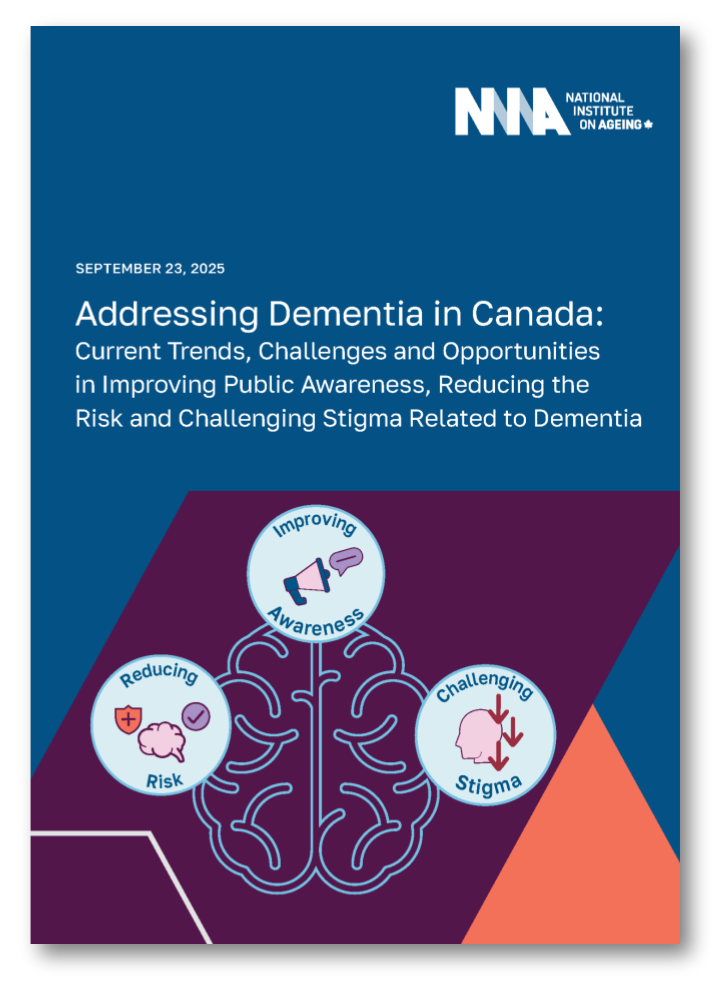
The National Institute on Ageing (NIA) has released the first in a new series of three dementia reports—Addressing Dementia in Canada: Current Trends, Challenges and Opportunities in Improving Public Awareness, Reducing the Risk and Challenging Stigma Related to Dementia—underscoring the urgent need for coordinated, evidence-informed action across the country. |
|
|
|
Already, nearly three in four Canadians know someone who has or had dementia. Approximately 500,000 older adults were diagnosed in 2023/24, and that number is expected to reach 1.7 million by 2050, alongside 1 million care partners.
While dementia poses one of the fastest-growing health challenges in Canada, the report highlights encouraging news: nearly half of dementia cases worldwide may be prevented or delayed by addressing modifiable risk factors such as physical inactivity, social isolation, hypertension, and hearing loss. Yet, awareness of these protective factors remains low—only 26% of Canadians believe they can meaningfully reduce their risk.
To address these gaps, the NIA calls for three key policy actions:
-
Develop and implement dementia strategies in every province and territory
-
Expand public awareness initiatives that improve knowledge, reduce risk, and challenge stigma
-
Establish clear, transparent success metrics and regularly report on progress
“Dementia is not an inevitable part of ageing,” says Dr. Samir Sinha, Director of Health Policy Research at the NIA. “We know that many cases can be prevented or delayed through small, everyday actions that protect brain health. Canadians deserve coordinated strategies that empower them to take those steps.”
Supported by the Slaight Family Foundation Dementia Initiative, this report is the first in a three-part series that will track trends, identify challenges, and advance practical solutions to reduce dementia risk, support care partners, and improve quality of life for Canadians living with dementia.
Read the full report: niageing.ca/adressing-dementia-in-canada-report-1
From Innovation to Impact
With the support of the Slaight Family Foundation, these partners are not only transforming how we understand and support brain health—they’re shaping a future where people living with dementia and their care partners can thrive.
Explore their work: Slaight Dementia Initiative Partners
|
|
|
|
|