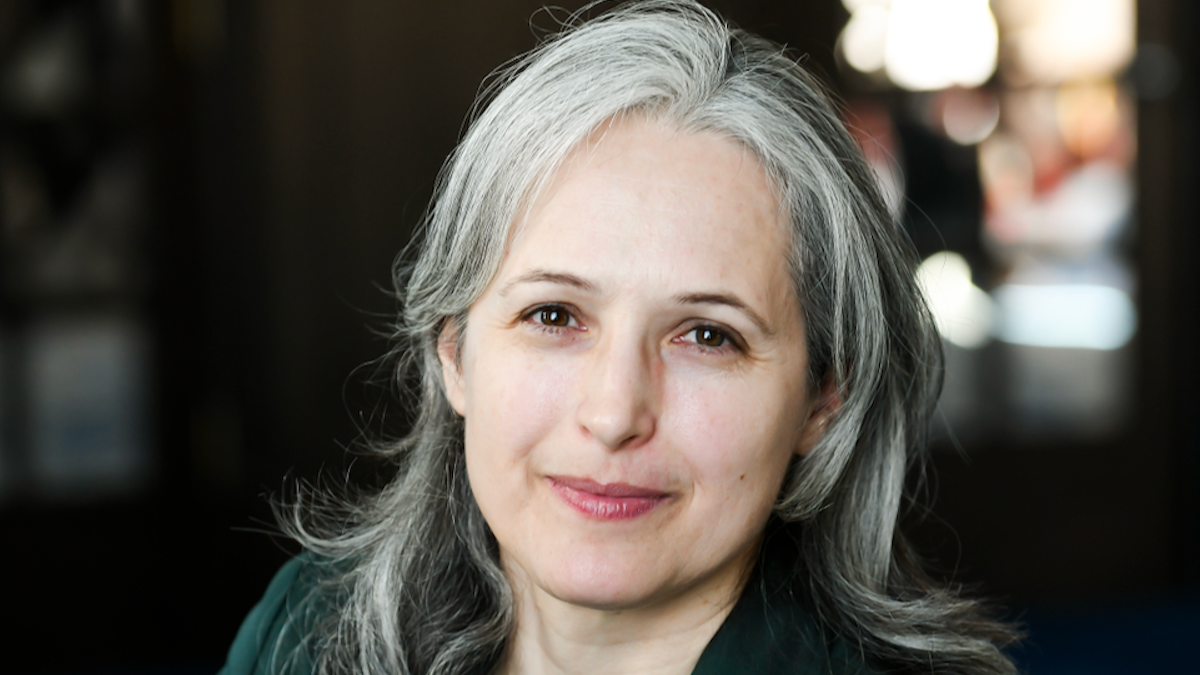
Dear colleagues and friends,
I’ve often reflected on what it means to age well, not just in theory, but in practice. My personal hero of ageing is Pete Seeger, the legendary American folk singer who, in addition to staying healthy by chopping wood well into his 80s, famously distilled his advice for actions that could “save the human race” to just one: participation. Pete’s message that attentiveness to one’s community is core to a life well-lived has resonated throughout my year as Interim Executive Director of the National Institute on Ageing. At a moment when Canada is navigating the realities of becoming a “super-aged” society, appreciating and encouraging the fullest expression of older adults as active participants and
contributors to our society has never been more important.
Older adults’ presumed role as mentors and experience holders can only be realized if they are respected and encouraged to contribute in the workplace and in the community. Unfortunately, 1 in 5 Canadians over 50 told our Ageing in Canada Survey that other people regularly assume they do not have anything “important or valuable” to contribute to society. This and other misguided forms of everyday ageism are preventing an ageing society from realizing the myriad societal benefits of a long life, what Dr. Satya Brink (and others, including the IMF) have called the “longevity dividend”.
Which is why this year at the NIA has been so meaningful to me. Its core mission of improving the lives of older Canadians and the systems that support them plays out in work that is practical at the individual level and transformative across the country when policy change is realized.
I've been inspired by tools that make the true costs of ageing understandable to people in a realistic and non-commercial way; by efforts to expand access to workplace pensions; by a national campaign to prevent dementia through everyday habits that remind us of the small things we already know we should be doing — like eating well, moving our bodies, staying socially connected — to keep our brains healthy; by models that are co-locating seniors' residences with daycares to bookend generations; and by the determined work of community organizations across the country that help people age in the right place.
If we are to fully realize the promise of longer lives in Canada, it will require all of us to actively contribute to building a society where older adults are valued, included and supported to participate fully. This is what Pete identified: that participation in social and civic spaces is not only good for our cognitive health as we grow older, but also critical to the health of Canada’s democracy. Democratic resilience will continue to be the focus of my work at the Dais, the public policy and leadership think tank that I am
returning to in May.
I am deeply grateful to the NIA team and to our many partners for their commitment to this work and for supporting me this past year. Special thanks to returning Executive Director Alyssa Brierley for trusting me with the incredible foundation she has built. The NIA is in exceptionally strong hands. I leave this role with confidence in the path ahead and with the belief that, together, we can ensure that longer lives in Canada are not only lived, but lived well.
Mark Hazelden
Interim Executive Director
National Institute on Ageing
|
|
|
 |
|
|
The NIA Testifies Before House of Commons Committees |
|
|
|
|
 |
Talia Bronstein, Director of Policy
|
|
 |
Rizwan Khan, Legal Researcher and Analyst
|
|
|
|
|
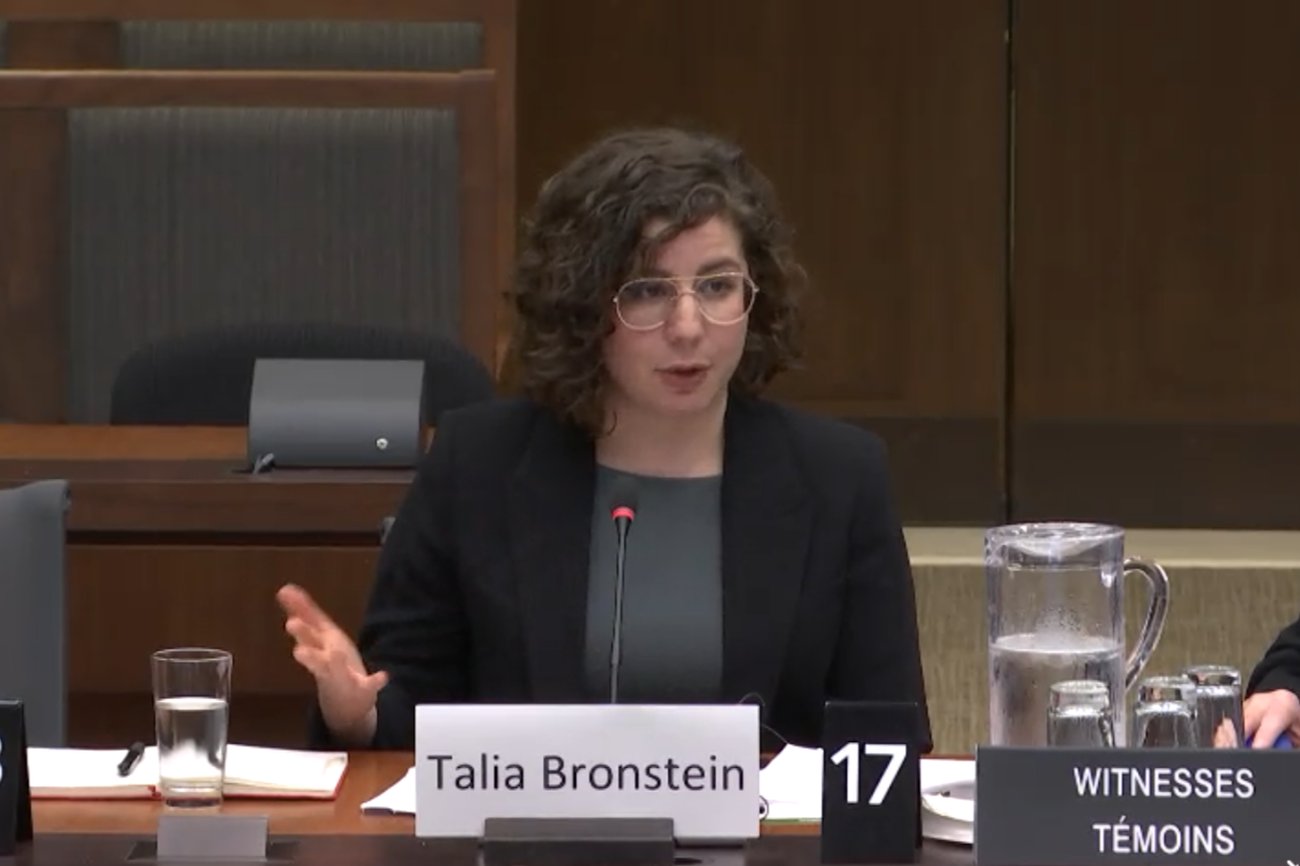
In April, the NIA appeared before two House of Commons committees to highlight critical issues affecting older adults and to advance policy solutions that strengthen safety and financial security.
On April 16, Talia Bronstein, Director of Policy, testified before the House of Commons Standing Committee on the Status of Women, drawing on findings from the 2025 Ageing in Canada Survey to highlight gender gaps in income security, retirement readiness and social isolation. These factors, she noted, can increase vulnerability to abuse and limit access to support. She also outlined policy solutions, including measures to improve retirement income security through the NIA’s proposed Pension Delay Guarantee.
On April 20, Rizwan Khan, Legal Researcher and Analyst at the NIA, appeared before the House of Commons Standing Committee on Justice and Human Rights to speak on Bill C-16 and the proposed criminalization of coercive control. His testimony highlighted a key gap in the legislation: the proposed offence is limited to intimate partner relationships, excluding many older adults who experience coercive control from adult children, relatives or informal caregivers. The testimony underscored that non-intimate-partner violence represents a significant share of abuse
against older adults, raising concerns about unequal access to protection under the law.
|
|
|
Developing an Artificial Intelligence Framework for the Health and Wellbeing of Older Canadians |
|
|
|
|
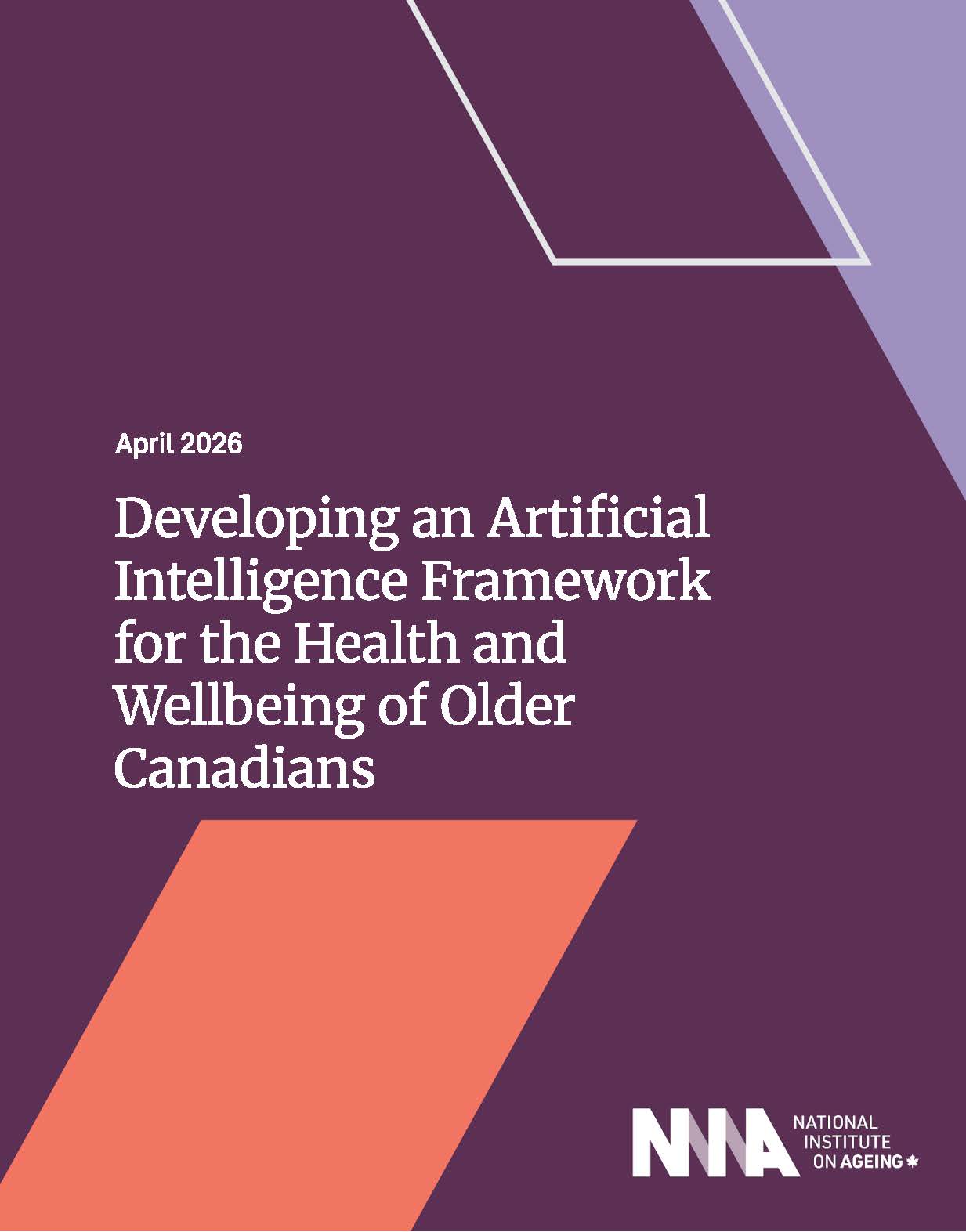
Artificial intelligence is already shaping how
care is delivered in Canada, but what does that mean for older Canadians?
In this brief, the NIA highlights the need for an ethical, safe and accountable Canadian AI framework, one that protects older Canadians and reduces the risk of reinforcing existing inequities.
|
|
|
|
|
|
|
NEW French Resources: 2025 Ageing in Canada Survey |
|
|
Perspectives sur le vieillissement au Canada : Enquête 2025 de l’INV sur le vieillissement au Canada
Pour sa quatrième édition, le rapport « Perspectives sur le vieillissement au Canada : Enquête 2025 de l'INV sur le vieillissement au Canada » reste l’un des aperçus annuels les plus complets au Canada sur les expériences, les points de vue et les attentes des Canadiens âgés de 50 ans et plus. Réalisé par l’Institut national sur le vieillissement (INV) avec le soutien de Manulife et du Waltons Trust, ce rapport met en lumière les réussites et les défis liés au vieillissement au Canada.
|
|
|
| LIRE LE RAPPORT COMPLET ICI
|
|
|
 |
|
|
National Caregiver Day Symposium in Toronto |
|
|
|
|
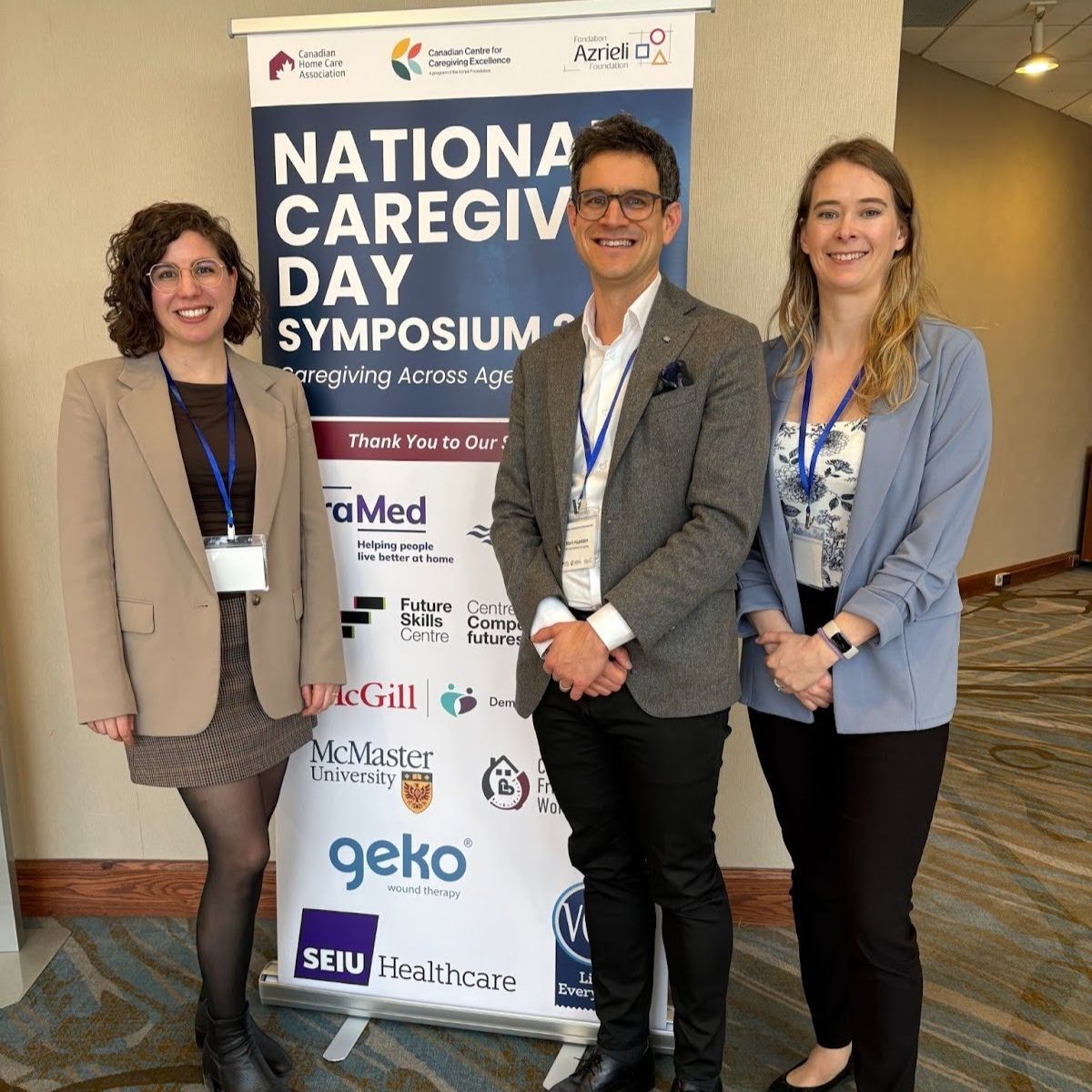 |
Talia Bronstein (left), Mark Hazelden (centre), Dr. Tara Kuhn (right)
|
|
|
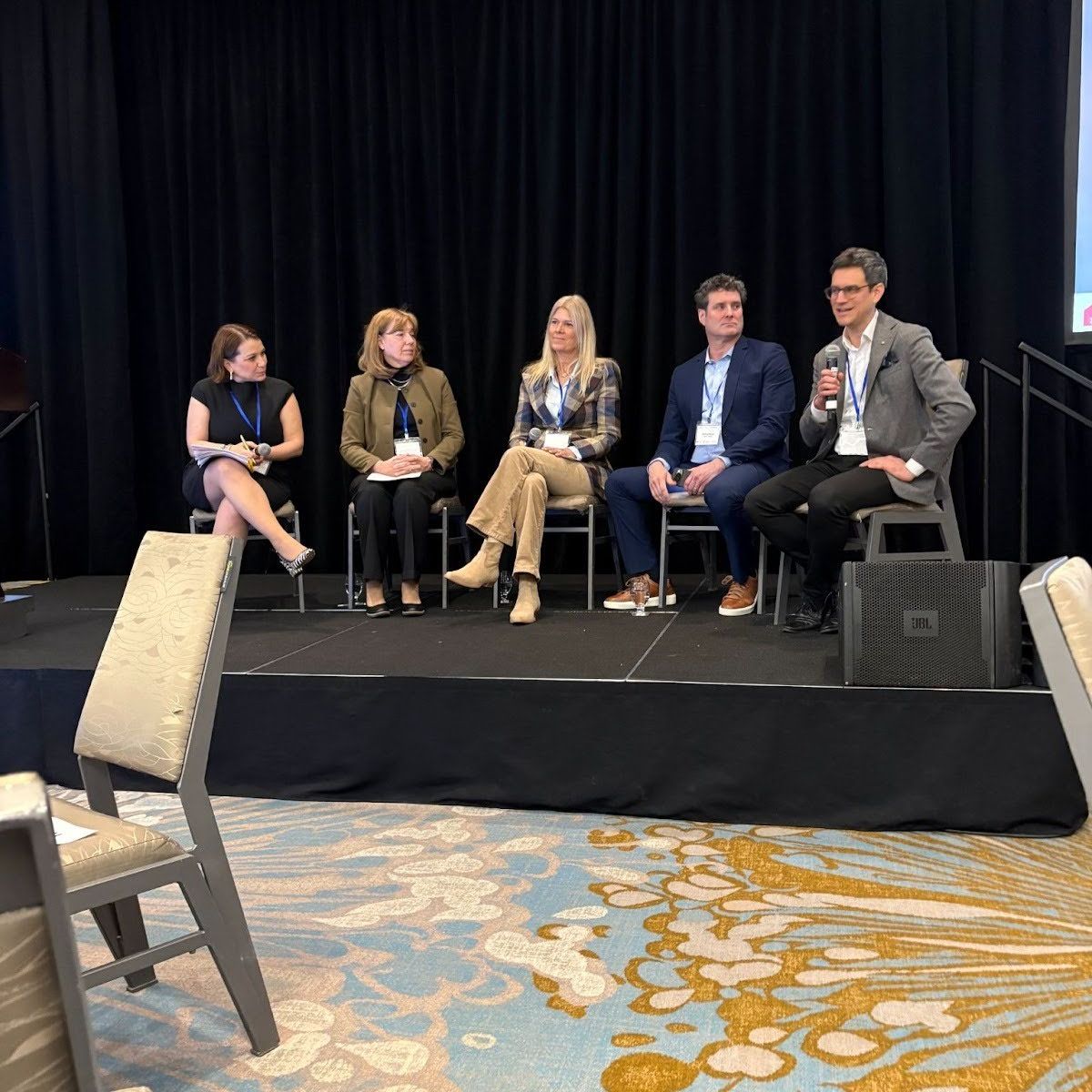 |
Mark Hazelden (right)
|
|
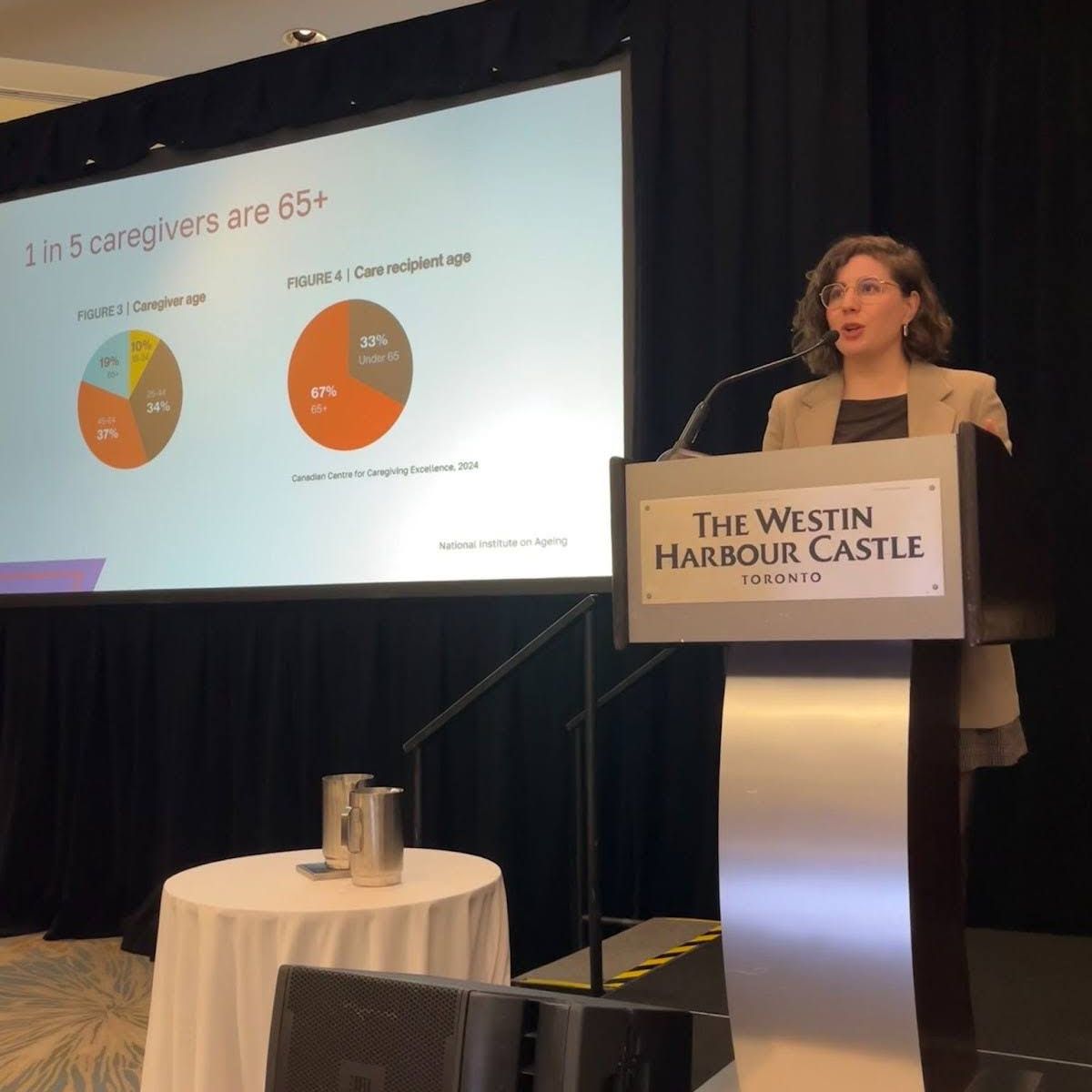 |
Talia Bronstein
|
|
|
|
|
The NIA was pleased to participate in the National Caregiver Day Symposium in Toronto, convened by the Canadian Centre for Caregiving Excellence, the Canadian Home Care Association and the Azrieli Foundation.
As care needs grow more complex, discussions underscored the urgent need for more coordinated support for both caregivers and older adults. We thank the organizers for advancing this important national conversation.
|
|
|
Participation in the Government of Canada Roundtable |
|
|
 |
|
|
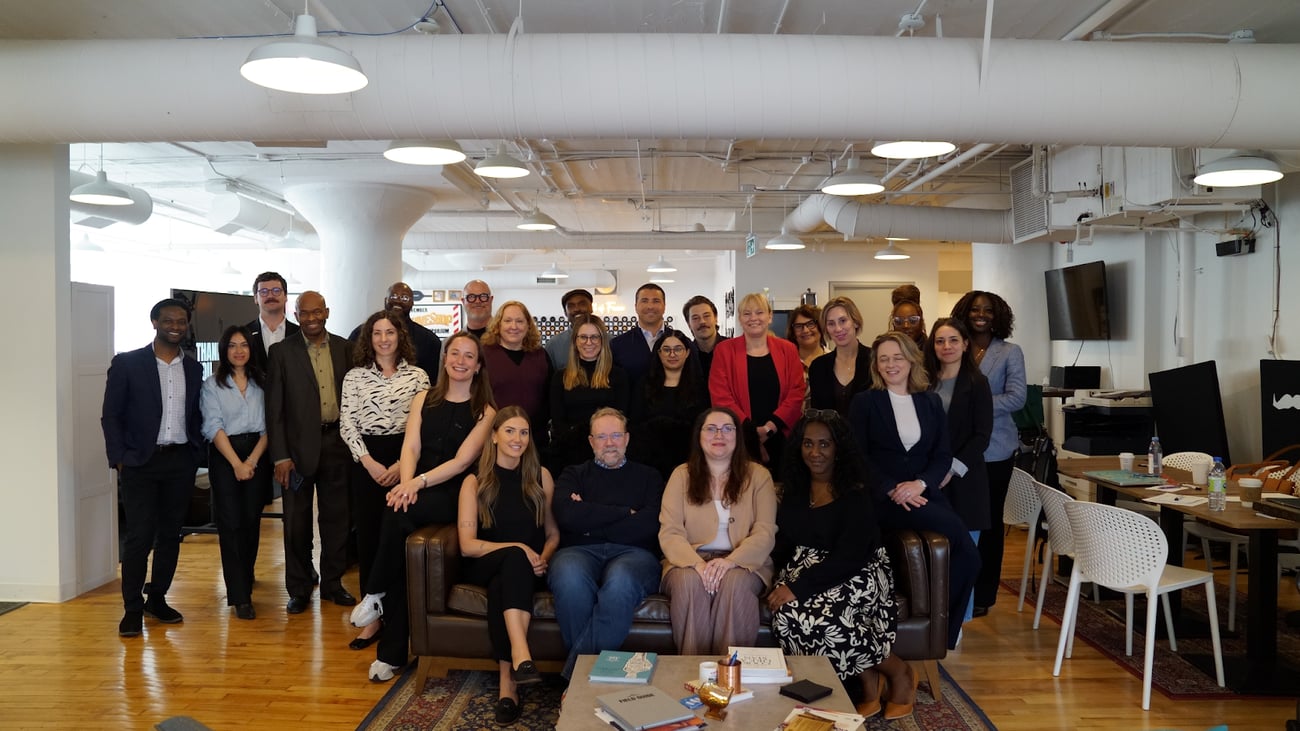
Senior Policy Analyst, Emily Smith, participated in a stakeholder roundtable to help inform the Government of Canada’s development of a national men and boys’ health strategy. Convened by Movember, the session brought together sector and industry leaders to share practical insights, identify gaps and highlight opportunities to strengthen programs and policies that support the health and well-being of men and boys across Canada.
|
|
|
UpLink Longevity Innovation Challenge Workshop |
|
|
|
|
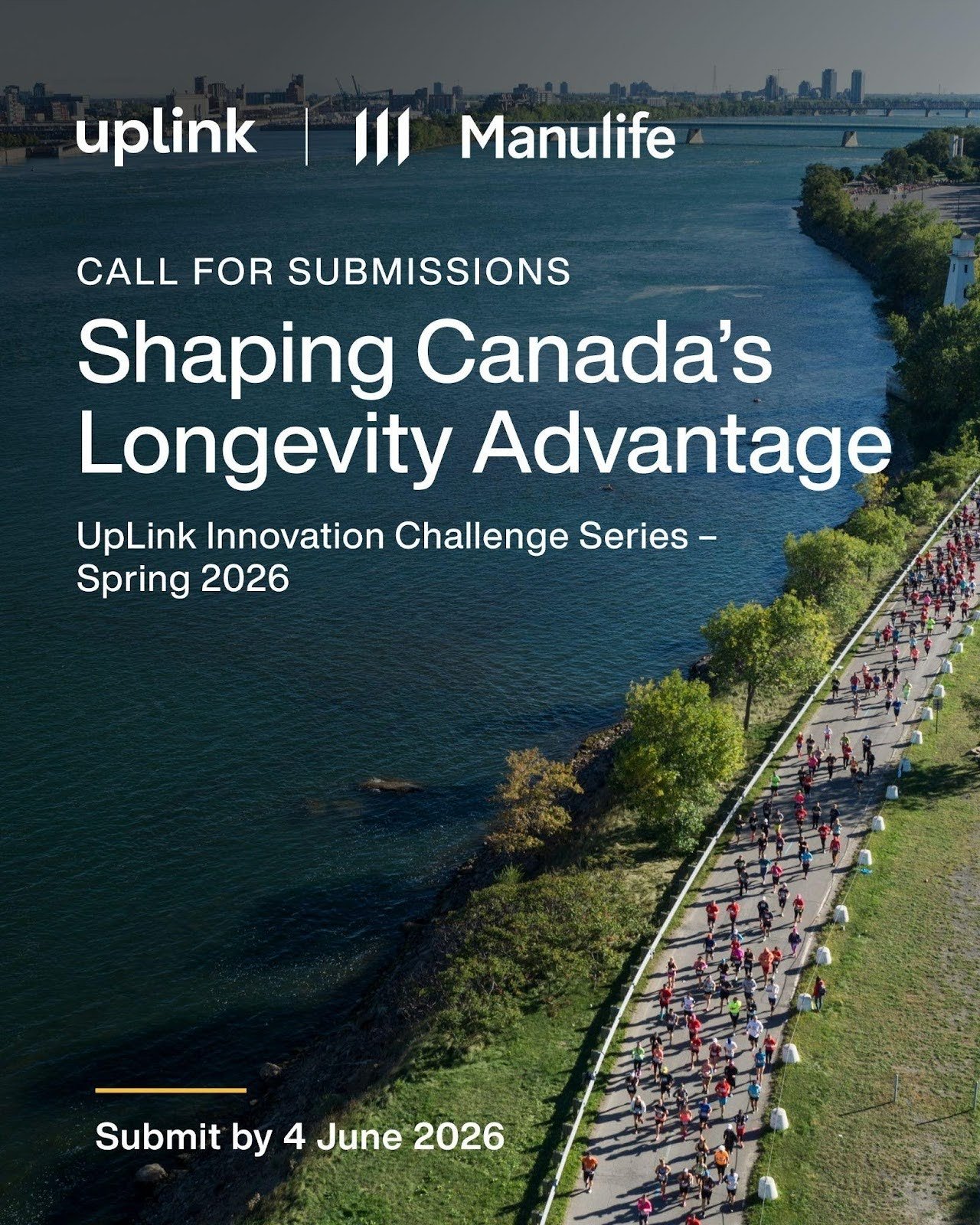
On March 23, Mark Hazelden, Interim
Executive Director of the NIA, participated in a Longevity Innovation Challenge workshop convened by Manulife and UpLink, the World Economic Forum’s open innovation platform. The session brought together leaders and partners to provide input and guidance on the new “Shaping Canada’s Longevity Advantage” challenge, an early-stage innovation initiative focused on accelerating solutions that support lifelong health, financial resilience and social connection in Canada in an era of longer, more complex lives.
|
|
|
Insights from the NIA’s Ageing in Canada Survey, with support from Manulife, underscored the urgency of this work. As Canadians live longer, many are navigating increasingly complex realities—balancing their own health and financial needs while supporting ageing parents or providing care to others. The survey finds that 43% of older Canadians are at risk of social isolation, while only 29% feel they can afford to retire when they would like, pointing to significant gaps in both social connection and financial security.
Through this Canada-focused challenge, Manulife, UpLink and the Forum's Centre for Financial and Monetary Systems aim to surface and support solutions that respond to the realities of longer lives, helping individuals build resilience, stay connected and maintain a sense of purpose at every stage.
This initiative is aligned with the Manulife Longevity Institute, a recently launched global research, thought leadership, innovation, advocacy and community investment platform that will help people thrive at every age.
The call for submissions is open until June 4, 2026.
|
|
|
| LEARN MORE
|
|
|
Will Digital Technology, Including AI, Help or Hinder the Provision of Long-Term Care? A Geriatrician’s Perspective |
|
|
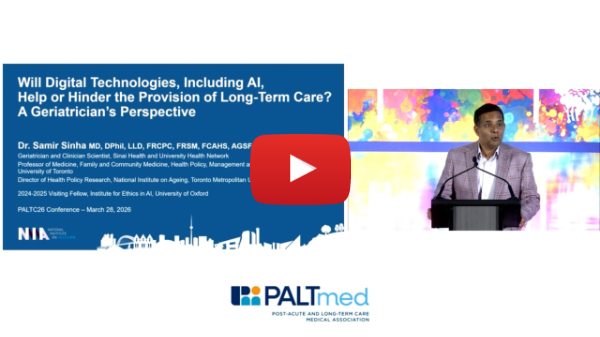
On March 28, 2026, at the PALTC26 Annual Conference, Dr. Samir Sinha, Director of Health Policy Research at the NIA, presented “Will Digital Technology, Including AI, Help or Hinder the Provision of Long-Term Care? A Geriatrician’s Perspective.” Watch the presentation below!
|
 |
|
|
New tools to Address Social Isolation and Loneliness in Older Adults |
|
|
The Canadian Coalition for Seniors’ Mental Health has launched a suite of practical, evidence-informed tools to support its Clinical Guidelines on Social Isolation and Loneliness in Older Adults. Resources include a Collaborative C.A.R.E. assessment tool, conversation guides, and a short video series to help identify risk, support conversations, and connect older adults to community supports.
|
|
|
| LEARN MORE AT CCSMH.CA
|
|
|
|
|
|
|
ICYMI: The Real Risks of Retirement - and How the Cost of Ageing Calculator Can Help |
|
|

|
|
|
| WATCH HERE
|
|
|
|
|
|
|
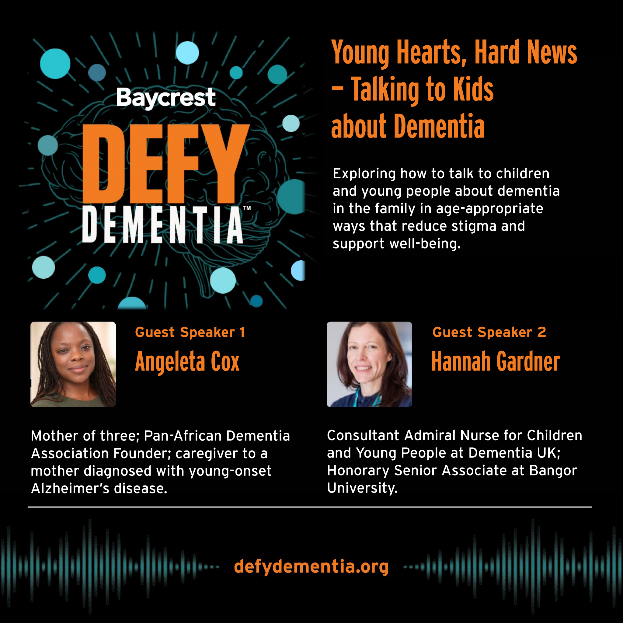
Defy Dementia™ Episode 34: Young Hearts, Hard News — Talking to Kids about Dementia
|
|
|
|
|
In this episode, Defy Dementia™
explores how to talk to children and young people about dementia in age-appropriate, stigma-reducing ways—supporting connection and well-being for both the person living with dementia and their family. Guest Angeleta Cox shares how she talked about her late mother’s young-onset Alzheimer's diagnosis with her young child and two teens, while Hannah Gardner, Consultant Admiral
|
|
|
Nurse for Children and Young People at Dementia UK, speaks to improving support and awareness for children and young people living in families affected by dementia. Tune in at defydementia.org, or anywhere you get your podcasts.
|
|
|
Health enSuite Caregivers Study! |
|
|
Are you a family member or professional caring for someone with dementia? We know how overwhelming it can be.
The researchers at the IWK Health Centre are seeking both family and professional caregivers for a new study evaluating an online Cognitive Behaviour Therapy (CBT) web-based application, designed specifically to help reduce caregiver distress.
|
|
|
| PARTICIPATE IN THIS STUDY
|
|
|
Last Chance! Help Shape the Future of Brain Health |
|
|
The Centre for Aging + Brain Health Innovation (CABHI), in collaboration with the Alzheimer’s Society, the NIA and the Toronto Dementia Research Alliance, is inviting adults aged 40+ in Canada and the UK to take part in a survey on brain-healthy lifestyles and dementia risk.
This 20–30 minute survey explores how lifestyle choices and technology can support brain health—helping inform future tools, services and policies that promote healthy ageing. Complete the survey by April 30, 2026!
|
|
|
| BRAIN-HEALTHY LIFESTYLES AND DEMENTIA RISK SURVEY
|
|
|
 |
|
|
|
|
|
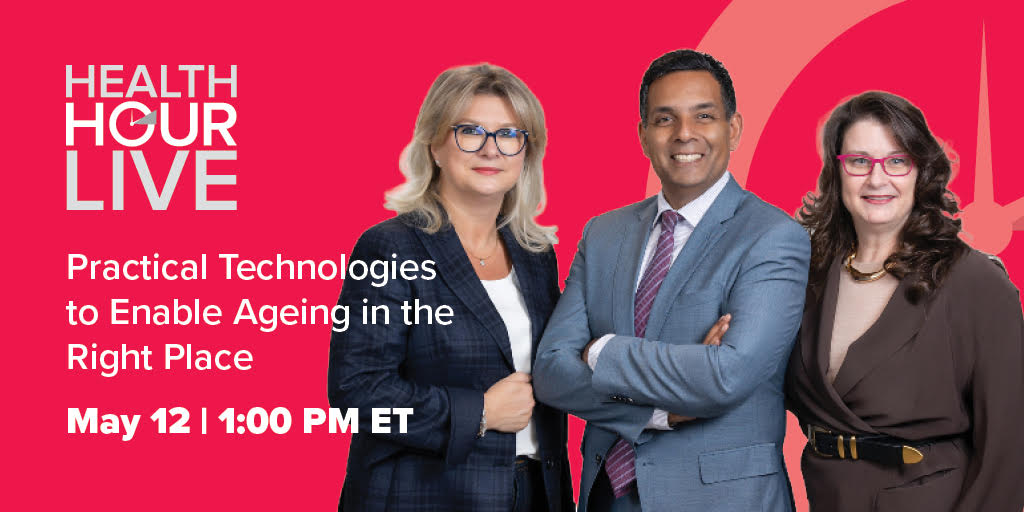
MedicAlert’s Health Hour Live: Practical Technologies to Enable Ageing in the Right Place
May 12, 2026 | 1:00–2:00 PM ET
|
|
|
As Canada’s population ages, supporting safe, independent living at home is more important than ever. Hosted by President & CEO Leslie McGill of MedicAlert, the NIA’s Dr. Samir Sinha and Yvonne Ziomecki-Fisher of HomeEquity Bank will discuss the realities of ageing at home and the practical technologies, supports and solutions that can help older Canadians live independently and safely. Shaped by questions from Canadians, the session reflects real-world experiences and priorities.
|
|
|
| JOIN US FOR HEALTH HOUR LIVE
|
|
|
Other Sector Events: |
|
|

|
|
|
|
|
|
|
|
|
|
|
TMU National Institute on Ageing Fund |
Help create a Canada where older adults feel valued, included, supported and better prepared to age with confidence by making a charitable gift to the TMU National Institute on Ageing Fund today. Gifts to the TMU National Institute on Ageing Fund make a tangible impact on the future of ageing in Canada. You choose the amount. You make the difference.
|
|
| DONATE TODAY!
|
|
|
|
|
|
|
|