|
The Slaight Family Foundation Dementia Initiative continues to bring together leading Canadian organizations dedicated to advancing brain health, reducing dementia risk and improving the lives of people living with dementia and their care partners. In this fifth edition, we spotlight how partners across Canada are turning research, innovation and lived experience into meaningful action to help build more inclusive, person-centred systems of care and support for Canadians affected by dementia. |
|
|
|
|
 |
Baycrest: Advancing Brain Health and Aging Innovation |
Baycrest Is Shaping the Future of Aging
With the generous support of the Slaight Family Foundation, Baycrest is shaping the future of aging through research-driven innovation, public engagement and practical tools to support cognitive health.
Brain Health Assessments and Workshops
The Baycrest Academy for Research and Education provides expert-led Brain Health Workshops across the province, expanding community access to brain health education and tools, including Cogniciti’s free online Brain Health Assessment.
Workshops have reached over 8,700 Ontarians through more than 100 in-person and virtual sessions at community centres, libraries, charities and public events.
The team is expanding access to brain health education by delivering in-person Brain Health Workshops in partnership with the London Public Library, with additional workshops rolling out across southern Ontario. Workshops are free, though some centres may require membership.
For more information or to host a workshop in your community, please click here.
Kimel Family Centre for Brain Health & Wellness
The world’s first research-driven community centre for brain health is growing,
with 850 individuals now part of this research study.
To increase participant diversity, Community Champions from underrepresented demographic groups have now been formally brought on to advise the Kimel Family Centre on best practices for engaging members of their communities.
The research team also recently published reference data on lifestyle-based dementia risk factors for more than 1,000 people across Canada. The team can now compare participants’ risk factors to recent Canadian averages.
Baycrest Online Hearing Screening Tool
Baycrest’s online hearing screening tool continues to expand its international reach, supporting the growing global need for accessible hearing care.
This spring, the team presented at the World Audiology Congress in South Korea, sharing how virtual screening and audiology phone consults can help connect people to timely hearing care.
Baycrest also extended the impact of the online hearing screening tool through a community wellness screening event in Curaçao, bringing hearing health awareness and screening services directly to residents.
An increasing number of consultations with individuals across the United States further highlights the growing international interest in the screening tool and audiology education.
Defy Dementia: Inspiring Action for Brain Health
Through its award-nominated podcast, dynamic live events and trusted online resources, Defy Dementia empowers the public to protect their brain health.
Since the start of the Slaight Family Foundation’s generous support, the Defy Dementia podcast has been downloaded more than 1.2 million times and hosted 20 public events in various communities across Canada.
Upcoming virtual and in-person events:
Visit defydementia.org for more information. |
|
|
|
|
|
 |
Belmont House: Advancing Compassionate, Person-Centred Care
|
From Training to Transformation: Measuring What Matters in the Butterfly Model
Implementing the Butterfly Model is not simply about introducing new training; it is about fundamentally reshaping culture. As we continue to evolve our approach, one key question has guided our work: How do we meaningfully measure culture change?
Unlike many care models, Meaningful Care Matters does not prescribe standardized Butterfly-specific indicators for evaluation. Initially, traditional clinical indicators such as falls, responsive behaviours, and antipsychotic medication use were used. While these indicators remain essential for quality and safety monitoring, they provide limited insight into the lived experience of residents and staff within a Butterfly Home.
These clinical measures are already tracked in real time through existing quality and risk management systems. Measuring them again in the context of Butterfly would not only duplicate effort but also fail to capture the essence of what makes the model effective: relationships, emotional connection, and the quality of everyday interactions.
To better align with the intent of the Butterfly Model, we have developed an evaluation approach rooted in Intentional Culture. This framework moves beyond transactional metrics and instead focuses on meaningful indicators that reflect how care is experienced.
Our current and evolving measures include:
-
Staff Training and Engagement: Not just completion rates, but the depth of understanding and application of Butterfly principles in daily practice.
-
Quality of Interactions: Using the QUIS (Quality of Interactions Schedule) tool, we observe and assess the nature of staff–resident interactions, emphasizing respect, empathy, and connection.
-
Performance Integration: Embedding Butterfly principles into staff performance conversations and evaluations, reinforcing that culture is everyone’s responsibility.
Together, these measures allow us to assess the journey from training to its translation into consistent daily practice.
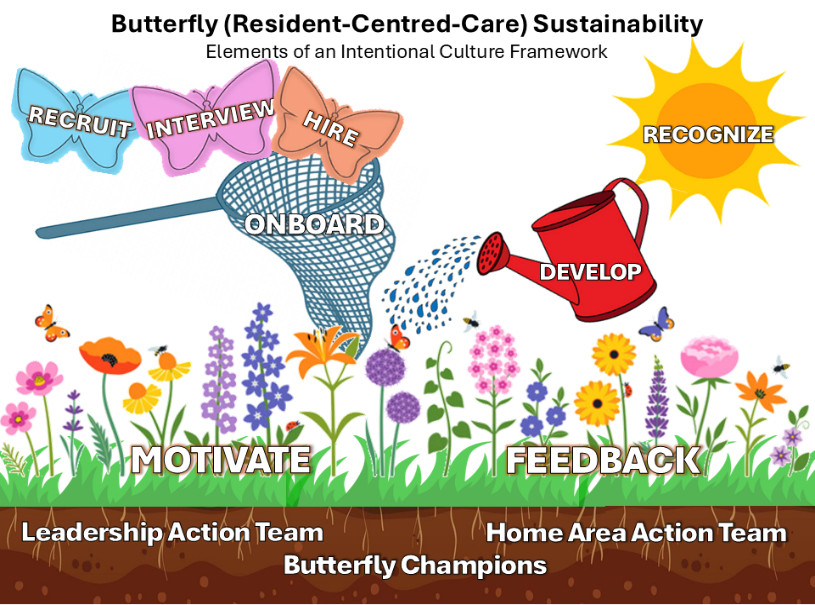
Furthermore, sustaining the Butterfly Model will require more than training; it will demand a deliberate and ongoing commitment to culture. To support this, we have developed a Sustainability Framework grounded in Intentional Culture.
This framework ensures that Butterfly principles are embedded at every stage of the employee experience:
-
Recruitment: Attracting individuals whose values align with relationship-based care
-
Interviewing: Assessing emotional intelligence, empathy, and cultural fit
-
Hiring: Selecting team members who will actively contribute to a positive environment
-
Onboarding: Immersing new staff in Butterfly philosophy from day one
-
Motivation: Creating purpose-driven work environments where staff feel connected and valued
-
Feedback: Encouraging continuous reflection and open dialogue
-
Development: Supporting ongoing learning and growth in relational care practices
-
Recognition: Celebrating behaviours that bring the Butterfly Model to life
|
|
|
|
By intentionally designing each of these elements, Belmont House moves beyond training events to create a self-sustaining culture where the principles of Butterfly are reinforced every day.
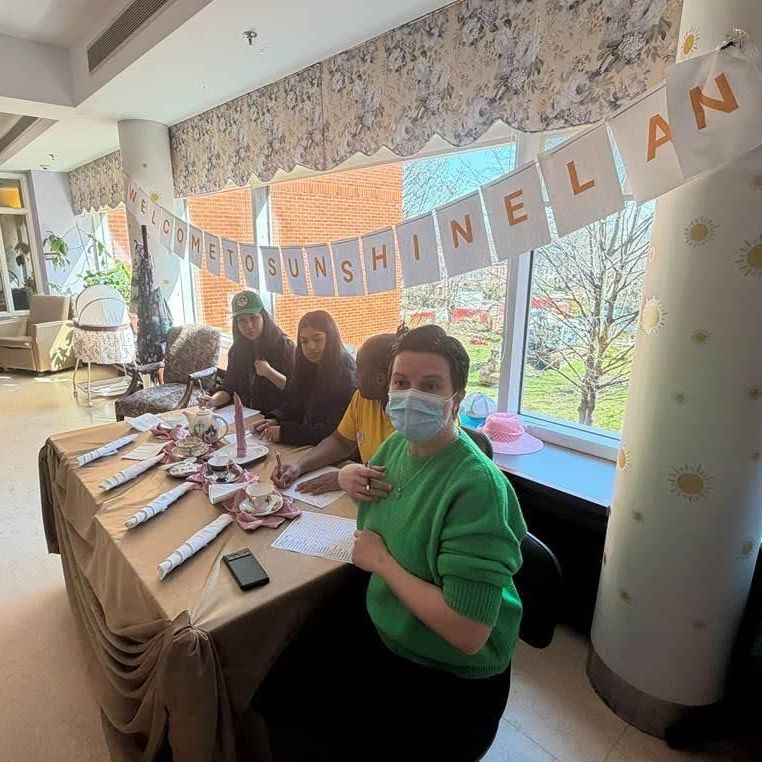
One of the home areas, Sunshine Lane, recently provided a wonderful example of a self-sustaining,
|
|
|
|
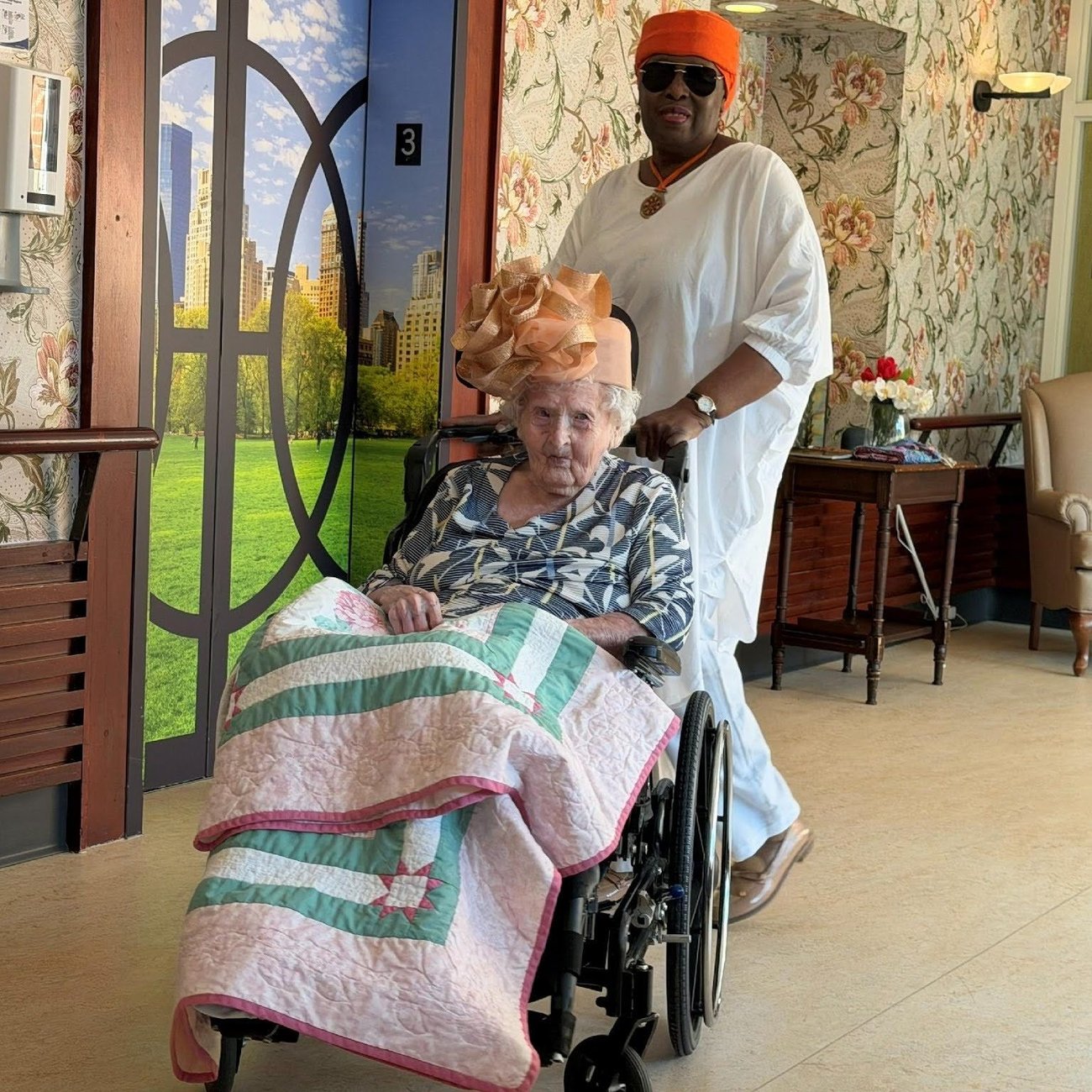
resident-centred culture through the spontaneous creation of a Fashion Show in the home area. What began organically evolved into a meaningful celebration that brought together staff, residents, families, and caregivers in a shared experience of joy, connection, and pride. Residents were celebrated not only for their participation but also for their individuality, personality, and sense of style, creating moments of confidence and engagement that were evident throughout the event.
The initiative reflected the strong relationships and collaborative spirit within the home area, with team members, families, and caregivers working together to create an inclusive and uplifting experience. The event fostered social connection, encouraged resident participation, and contributed to a vibrant atmosphere that extended beyond the day itself. Sunshine Lane’s Fashion Show is an excellent example of how a positive culture can flourish organically when residents, families, and staff feel empowered to create meaningful moments together.
|
|
|
|
|
 |
|
Mrs. Margaret (Jo-Jo) Brick and her caregiver, Angela. |
|
 |
|
Staff Fashion Show judges Hannah, Jessica, Mandy, and Kim. |
|
|
|
|
|
 |
CAMH: Advancing Technology-Enabled Dementia Care in Long-Term Care
|
|
The Technology-Enabled Integrated Care Pathway (Tech-ICP), led by Centre for Addiction and Mental Health, continues to advance implementation across long-term care (LTC) homes in Ontario, supporting earlier recognition and coordinated management of Behavioural and Psychological Symptoms of Dementia (BPSD). The initiative focuses on embedding coordinated, person-centred, evidence-informed care practices into routine LTC workflows to prioritize non-pharmacological strategies and reduce unnecessary medication use.
Site readiness and implementation activities have progressed significantly this quarter, with 17 LTC homes completing Readiness Assessments to support implementation planning and operational integration. Initial education sessions have also been completed with leadership teams and frontline staff from four LTC homes, with additional sessions scheduled for four more homes in the coming month. These sessions supported meaningful discussions on workflow integration, operational readiness and pathway implementation. The next phase of education will focus on hands-on training sessions to support staff in administering and integrating standardized clinical assessment and measurement tools within routine care practices. These sessions are being rolled out this quarter. Planning is also underway for accredited Continuing Medical Education (CME) sessions to support physician engagement and knowledge translation across participating sites.
Technology and research components of the project also continue to progress, including the development of standard operating procedures (SOPs) to support the implementation of wearable technologies, virtual reality (VR) initiatives and electroencephalogram (EEG)-related research activities across participating sites.
Lived experience remains central to the initiative, guiding family-facing materials and implementation strategies. Advisory partners continue to play an important role in shaping implementation activities, educational materials and communication strategies, helping ensure the pathway remains practical, transparent and responsive to the day-to-day realities of dementia care in LTC settings.
|
|
|
|
 |
Egale Canada: Advancing Inclusive Dementia Care for 2SLGBTQI Communities |
|
Egale Canada continues to expand its leadership in advancing inclusive care through its growing portfolio of dementia awareness and education initiatives. Building on the momentum of Alzheimer’s Awareness Month, Egale is deepening national understanding of how dementia uniquely impacts 2SLGBTQI communities, particularly older adults who may face stigma, social isolation, or barriers to culturally competent care.
While Canada has made significant progress in recognizing the rights of 2SLGBTQI people, gaps persist in healthcare systems that were not designed with these communities in mind. For individuals living with dementia, these gaps can be especially harmful, affecting everything from identity recognition to the quality and safety of care environments. Egale’s work addresses this critical need by equipping care providers, organizations, and families with practical tools to deliver affirming, respectful, and inclusive support.
Central to this effort is Egale’s educational programming, including its recent webinar, Help Us Remain: Understanding and Supporting 2SLGBTQI Experiences with Dementia. This resource offers actionable strategies for fostering dignity and inclusion, emphasizing the importance of identity-affirming practices throughout the dementia care journey. Complementing this are accessible online resources designed to raise awareness, challenge assumptions, and support system-wide change.
As part of its broader 40 Years of Progress initiative, Egale reaffirms its commitment to ensuring that inclusion extends across the lifespan. By addressing the intersection of ageing, identity, and health, Egale is helping to build a future where 2SLGBTQI people living with dementia are seen, respected, and supported, without compromise.
Please join Egale on Elder Abuse Awareness Day (Monday, June 15th) from 12-1 pm EST for a discussion of Dementia and Substitute Decision-Making: Guidance for 2SLGBTQIA+ Communities with Dr. Celeste Pang and Krista James. This session will share findings from Dr. Pang’s research on 2SLGBTQIA+ aging and substitute decision-making for people who are facing dementia alone, and insights from Krista James’ legal career focused on elder law. Participants will learn about laws and ethics around substitute decision-making, and how to better support 2SLGBTQIA+ people living with dementia and who are facing dementia alone.
To register: egale.ca/free-workshops/
|
|
|
|
 |
Sunnybrook Health Sciences Centre: The Power of Social Connection in Toronto Seniors Housing |
|
The Sunnybrook Brain Health Project now serves over 275 tenants across four Toronto Seniors Housing buildings. A critical component of our comprehensive dementia care community pathway is the strong partnership between Sunnybrook Health Sciences Centre and SPRINT Senior Care.
As part of our brain health work, SPRINT Senior Care is leading a recreation therapy at home program supporting over 100 tenants who have been identified as socially isolated. Through social prescribing and meaningful connections, the team identifies, assesses and supports tenants in developing plans to keep them socially connected. These on-the-ground activation team members serve as critical connections for tenants, linking them to other services they need.
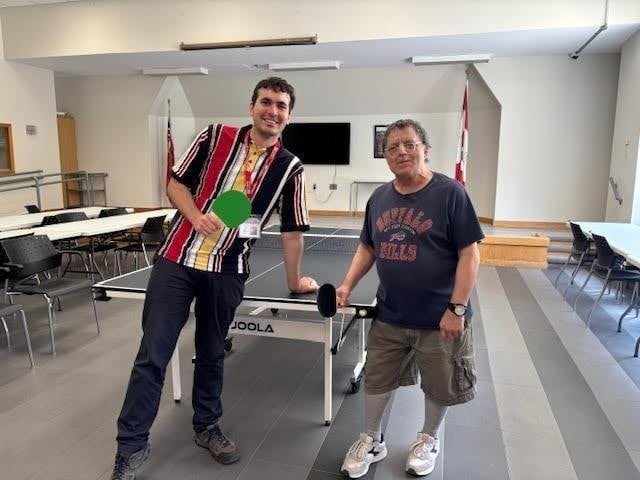
Tenant Highlight: Meet Robert
“Graham is the best part of my week. He treats me like I matter.”
|
|
|
 |
|
|
|
Our team first got involved in supporting Robert when he arrived at a nursing clinic we lead in his building. The team identified him as lacking connection to a family physician and to social support. He was referred to the recreation at home program and has since developed a strong rapport with Graham, an activation team member who has worked to help Robert make social connections in the building. Together, Graham and Robert built a plan to help him reach his personal health goals. Robert is now a thriving member of the community who is connected to primary care, our MINT memory clinic, and large group social programs in the building.
|
|
|
|
 |
National Institute on Ageing: Addressing gaps in dementia care through an equity lens |
 |
|
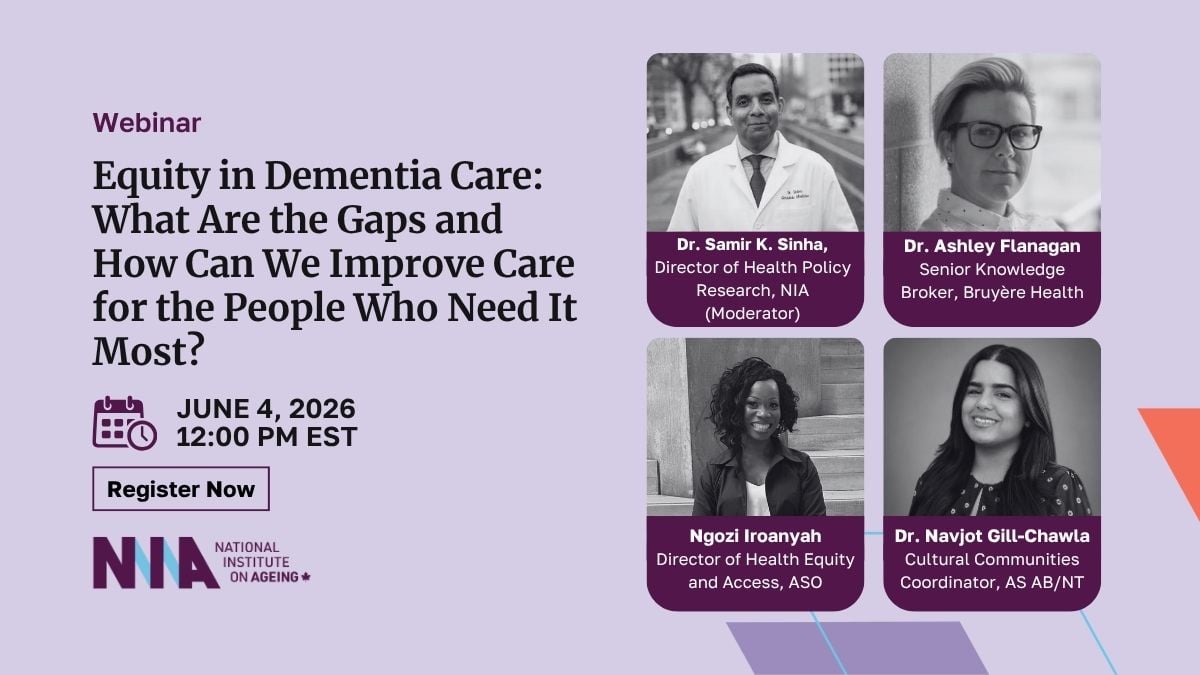
Equity in Dementia Care: What are the gaps and how can we improve care for the people who need it most?
Too many people living with dementia and their primary unpaid caregivers continue to face barriers to culturally safe, inclusive and affirming care across Canada.
Taking place during Pride Month, this webinar will explore the systemic inequities affecting racialized, culturally diverse and 2SLGBTQI+ communities and discuss what equitable dementia care can look like for those navigating intersecting identities and systemic barriers.
Join us for a discussion on:
-
Gaps in dementia care systems across Canada
-
The barriers faced by people navigating intersecting identities
-
What equitable and inclusive dementia care can look like
-
How we can build systems that better support people living with dementia and their caregivers
Date: June 4, 2026
Time: 12:00 p.m. ET
Register now: Webinar Registration - Zoom
|
|
|
|
Together, the Slaight Family Foundation Dementia Initiative Partners are reshaping how we approach brain health and creating lasting impact for people living with dementia and their care partners. Learn more here.
|
|
|
|
|