|
As Canada continues to navigate the opportunities and challenges of becoming a super-aged nation, it has never been more important to ensure that research and policy are shaping a future where every older person can age with dignity, security and confidence.
While Canada's demographic transformation has been decades in the making, our systems have not kept pace. Too many older adults continue to face barriers to affordable housing, financial security, health care, community supports and social inclusion. At the NIA, we believe these challenges also present an opportunity—to build a Canada where people can age well, remain connected to their communities and continue contributing throughout later life. As we recently wrote in an op-ed in TheFutureEconomy.ca, the choices we make today will determine whether increased longevity becomes a story of greater opportunity or growing inequality.
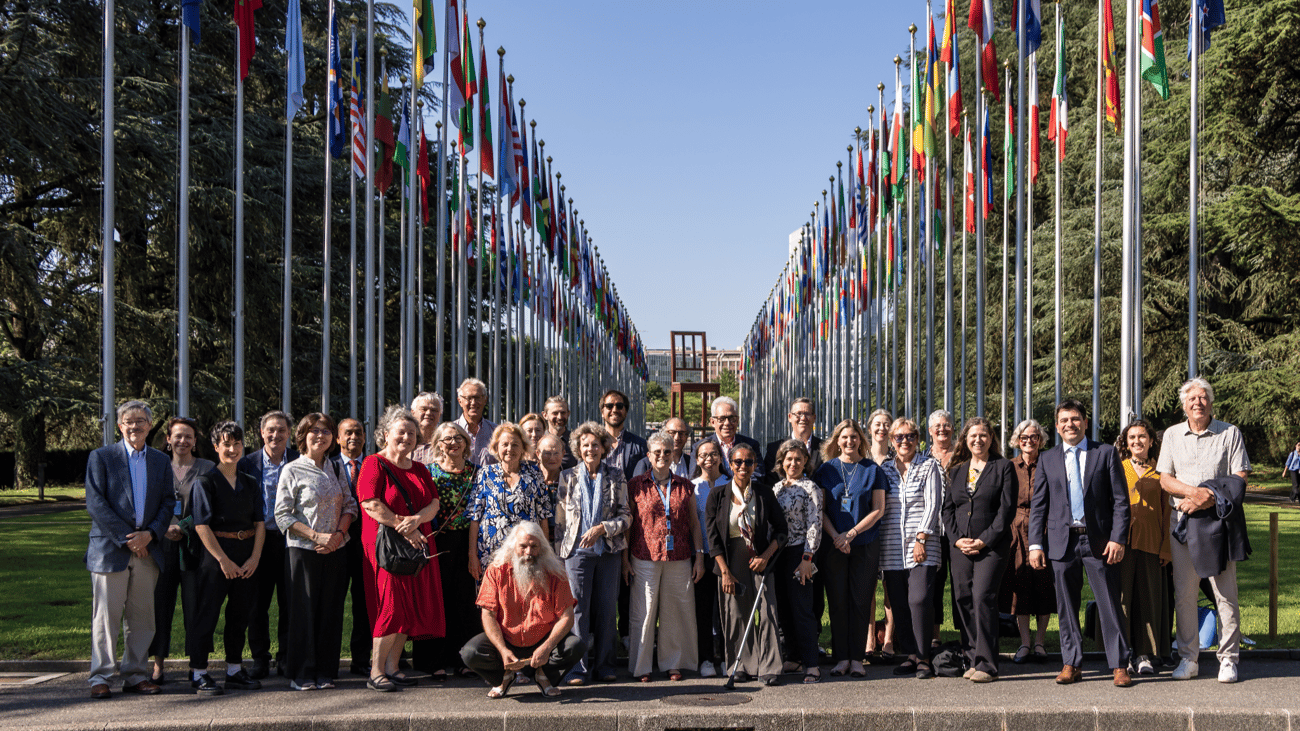
This month, I had the privilege of representing Canadian civil society organizations, including the NIA, International Longevity Centre (ILC) Canada, HelpAge Canada and Elder Abuse Prevention Ontario, at the first session of the United Nations Intergovernmental Working Group on the Human Rights of Older Persons in Geneva. This historic milestone marks the beginning of the process to develop the world's first international legally binding instrument dedicated to protecting the rights of older persons. It was an important opportunity to contribute Canadian perspectives to a global conversation on advancing the rights, dignity and inclusion of older adults.
We also released the first report in our three-part research series examining how gender shapes the experience of ageing in Canada. Experiences of Older Women in Canada: Findings from the NIA's 2025 Ageing in Canada Survey explores how gender, income and race influence the experience of ageing, highlighting the persistent inequities faced by many older women.
In this month’s newsletter, you'll also find updates on several important initiatives underway at the NIA, including:
-
Our submission to the National Housing Council calling for greater investment in accessible housing to help Canadians age in the right place.
-
Our new legal analysis examining Bill C-16 and the need for stronger protections for older adults experiencing coercive and controlling behaviour.
Thank you for your continued engagement with the NIA's work. Together, we can help ensure Canada is not only prepared for an ageing population, but positioned to become a global leader in healthy, equitable and inclusive ageing.
Alyssa Brierley
Executive Director
National Institute on Ageing |
|
|
|
|
NIA Represents Canada at Historic UN Meeting on the Rights of Older Persons |
|
|
|
|
|
|
|
|
|
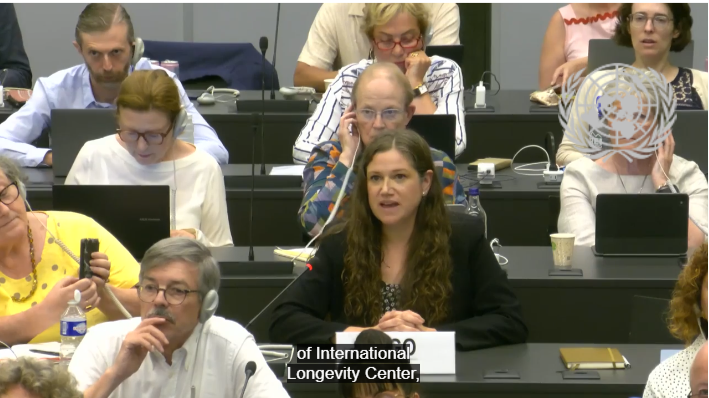
This month, Executive Director Alyssa Brierley represented Canadian civil society organizations, including the NIA, International Longevity Centre Canada, HelpAge Canada and Elder Abuse Prevention Ontario, at the first session of the United Nations Intergovernmental Working Group on the Human Rights of Older Persons.
The meeting marks a historic turning point in the global movement to strengthen the rights of older persons. For the first time, United Nations Member States have begun the formal process of developing an international legally binding instrument dedicated to protecting the human rights of older persons.
Established by the UN Human Rights Council, the Intergovernmental Working Group on Older Persons has been tasked with preparing a draft instrument that would promote, protect and ensure older persons’ full and equal enjoyment of human rights. Ahead of the first session, more than 200 submissions were received from governments, human rights institutions, international organizations, civil society groups, experts and other stakeholders, demonstrating the breadth of international interest in the process.
While the rights of older persons are protected under existing international human rights agreements, those protections are currently fragmented and are not always effectively applied to the realities of ageing and later life. Age is also not explicitly recognized as a prohibited ground for discrimination in most core UN human rights treaties, contributing to inconsistent protections and limited avenues for accountability and ageism is not recognized anywhere as an underlying and structural factor limiting the full enjoyment of human rights of older persons.
As Canada is now a super-aged nation, Canada’s participation in this global process is significant. The NIA joined international experts, human rights advocates and civil society leaders from across the world to bring a Canadian perspective to discussions that will shape the future of international human rights law and the rights of older persons everywhere.
Watch Alyssa’s remarks to the Intergovernmental Working Group here and here. |
|
|
|
|
 |
|
|
Submission to the National Housing Council Review Panel on the Lack of Accessible Housing in Canada |
|
|
|
Accessible housing is essential to ensuring that all Canadians can age with dignity, independence and security. The NIA was pleased to submit recommendations to the National Housing Council's Third Review Panel on the lack of accessible housing in Canada in partnership with the Canadian Coalition for Seniors’ Mental Health, Canadian Home Care Association, the Canadian Network for the Prevention of Elder Abuse, CanAge, HelpAge Canada, ILC Canada and the National Pensioners Federation. Together, we highlighted the urgent need for more affordable, safe and accessible homes that support older adults and people with disabilities. |
|
|
| READ OUR SUBMISSION |
|
|
Bill C-16 and the Long Road to Protecting Elder Abuse Victims |
|
|
|
Canada has taken an important step forward with the passage of Bill C-16, which recognizes coercive and controlling behaviour as a criminal offence in intimate partner relationships. But what about older adults experiencing the same pattern of abuse at the hands of adult children, grandchildren or other trusted relatives? In a new Law360 Canada Expert Analysis, Heather Campbell Pope, lawyer and Founding Chair of Dementia Justice Canada and Rizwan Khan, Legal Researcher & Analyst at the NIA, examine the progress made by Bill C-16 while highlighting the gaps in legal protections for older adults when victims of coercive control. |
|
|
| READ THE FULL ANALYSIS |
|
|
Canada's New AI Rules Must Not Leave Older Adults Behind |
|
|
 |
|
As artificial intelligence becomes increasingly integrated into health care, government services and everyday life, Canada's regulatory framework must keep pace. In a new commentary for Policy Options, Rizwan Khan, Rachel Tenn and Dr. Samir Sinha argue that without stronger safeguards, AI risks reinforcing ageism and creating inequities for older Canadians. |
|
|
| READ THE FULL ARTICLE IN POLICY OPTIONS |
|
|
 |
|
|
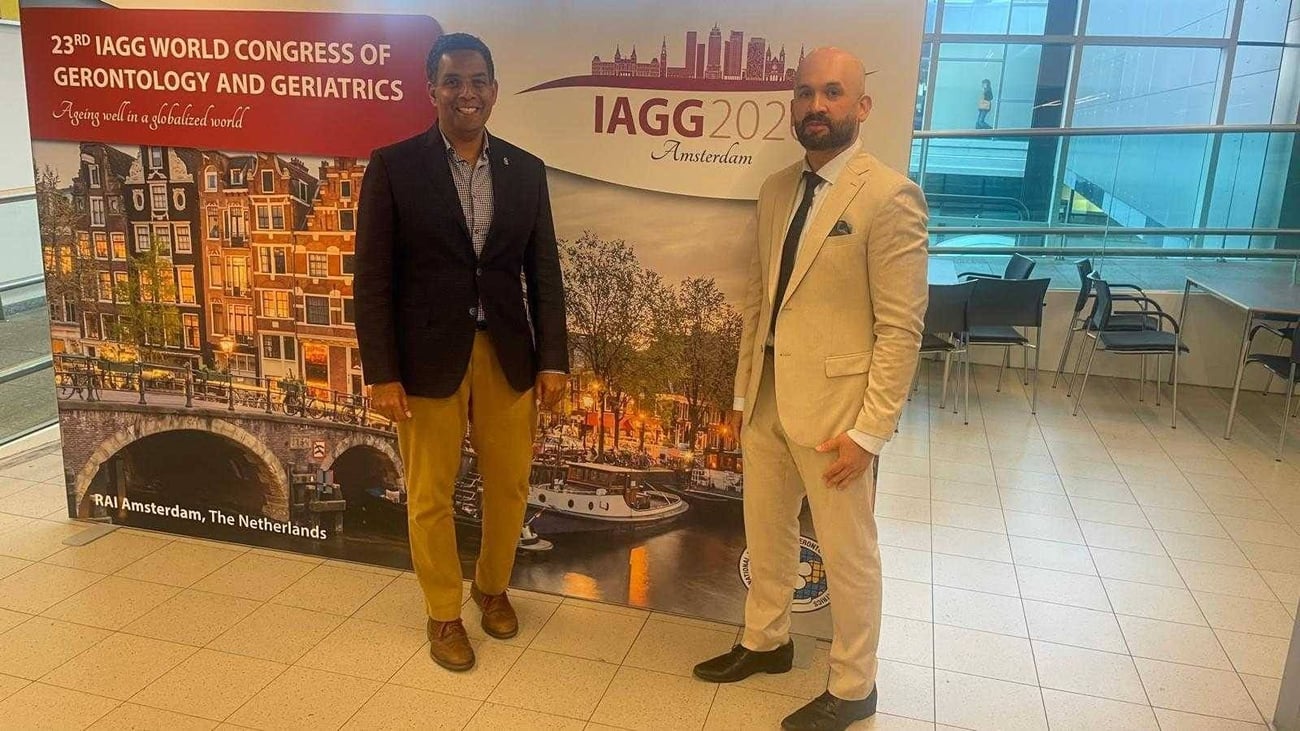
23rd IAGG World Congress |
|
|
|
|
 |
|
Dr. Samir Sinha (NIA) Raza Mirza (HelpAge Canada) |
|
 |
|
Dr. Samir Sinha and colleagues from Sinai Health and University Health Network |
|
|
|
|
|
The International Association of Gerontology and Geriatrics (IAGG) conference is a leading global gathering for experts, clinical practitioners and policymakers in ageing research that takes place every four years. The 23rd IAGG World Congress took place at the RAI Amsterdam Convention Centre in the Netherlands. Dr. Sinha presented on ethical and practical considerations surrounding the use of digital surveillance technologies on older persons by their families, as well as on care robots and how they can enable healthy ageing and ageing in the right place. |
|
|
NIA Participates in Roundtable on Social Media Safety |
|
|
 |
|
|
|
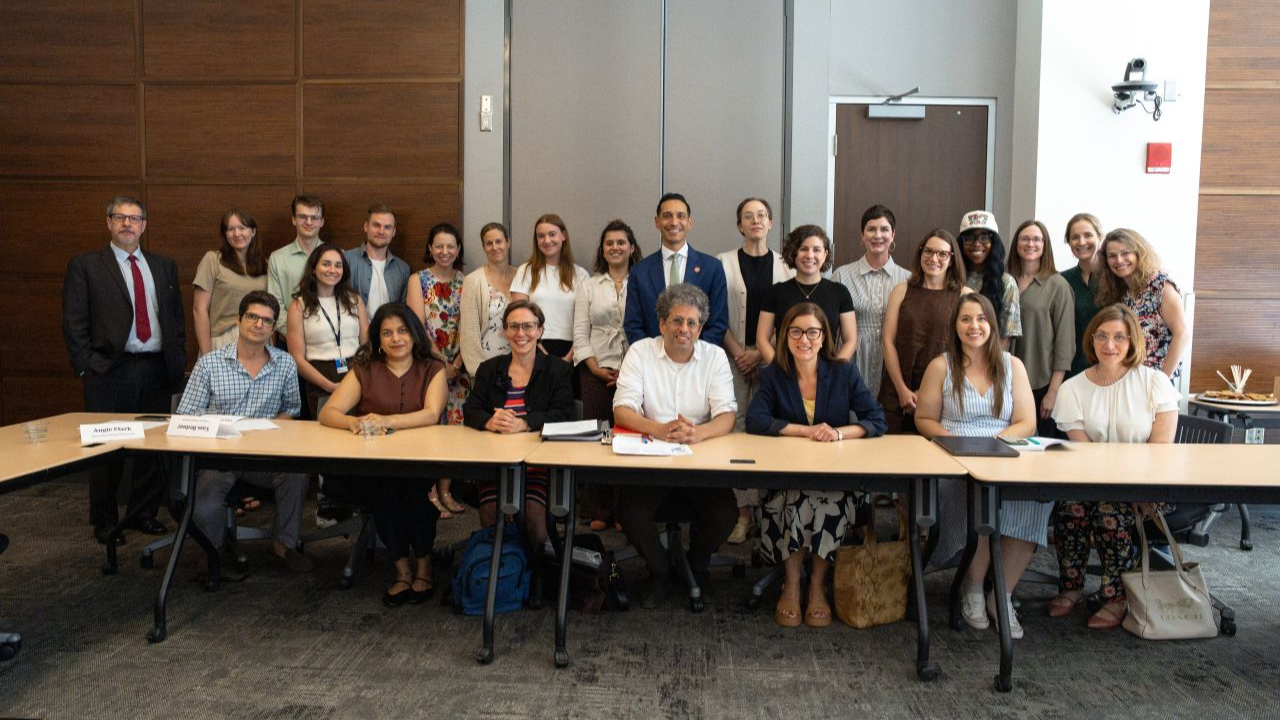
NIA Director of Policy, Talia Bronstein recently participated in a roundtable hosted by MP Karim Bardeesy and MP Danielle Martin to discuss social media safety and the proposed Safe Social Media Act (Bill C-34). The discussion brought together policymakers, experts and community voices to explore the impacts of social media on Canadians, including the spread of misinformation and disinformation, online safety and the experiences of children and families. Participants also examined the role industry can play in creating safer digital environments. The NIA was pleased to contribute its perspective on the importance of trustworthy information for older adults in shaping policies that support the health and wellbeing of all Canadians. |
|
|
 |
|
|
New Report: Digital Skills for Older Adults |
|
|
|
|
|
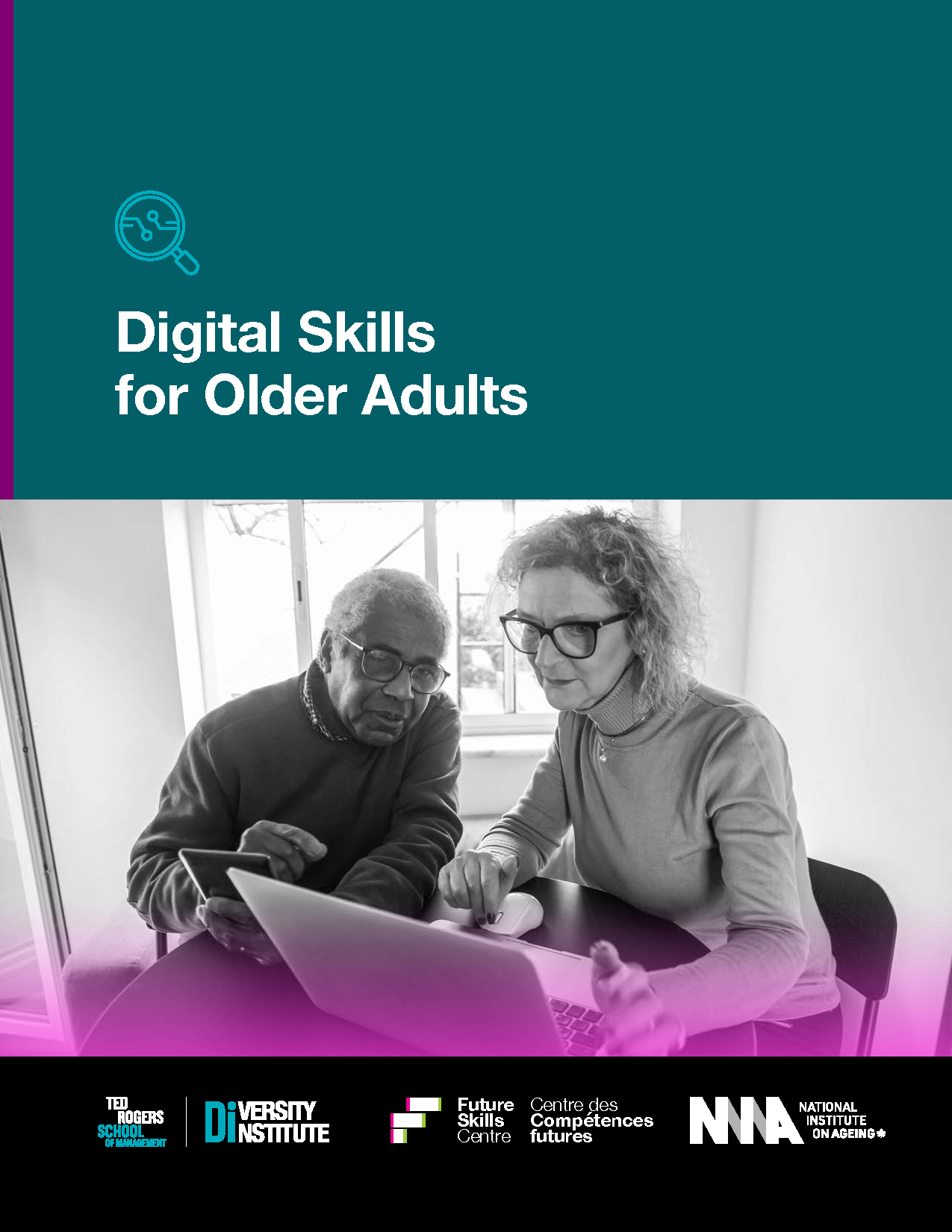
We're proud to support the launch of Digital Skills for Older Adults, a new report from the Diversity Institute at Toronto Metropolitan University, developed in partnership with the NIA and supported by the Future Skills Centre. As more services, workplaces and everyday interactions move online, digital inclusion has become essential to healthy ageing, workforce participation and social connection. Yet many older adults continue to face barriers to accessing and building the digital skills they need.
|
|
|
|
|
|
This new report explores the challenges older adults face, highlights evidence-based approaches to digital skills training and offers recommendations to help build a more inclusive digital future for Canadians. Congratulations to Dr. Wendy Cukier, Ben Israilov and contributors Guang Ying Mo, Talia Bronstein and Dr. Samir K. Sinha on this important research.
|
|
|
| READ THE REPORT |
|
|
Thank You for Helping Shape the Future of Community-Based Seniors' Services |
|
|
|
Thank you to everyone who joined HelpAge Canada and the NIA for the national consultation on the draft report, It's Time to Unleash the Power of Canada's Community-Based Seniors' Services Sector to Better Enable Healthy Ageing and Ageing in the Right Place. We are grateful to the community organizations, service providers, researchers, policymakers, older adults and caregivers who generously shared their time, expertise and perspectives. We look forward to sharing the final report in the coming months.
|
|
|
|
|
|
|
New CCSMH Report |
|
|
|
Social isolation and loneliness remain significant challenges affecting the health and well-being of many older adults in Canada. The Canadian Coalition for Seniors’ Mental Health's new report, 94 Voices: Insights on Addressing Social Isolation and Loneliness with Older Adults, shares firsthand perspectives from health and social service providers across the country. Through real-world experiences, the report highlights the challenges they are seeing, the approaches they are taking and the strategies that are making a difference for older adults.
|
|
|
| READ THE REPORT |
|
|
Defy Dementia™ Episode 37: When Blood Meets Brain |
|
|
|
What’s good for the heart is good for the brain. Across your lifespan, there are many ways for blood supply to your brain to be compromised - some are covert. It is estimated that up to 20 percent of people over 80 experience blood vessel damage in the brain. In this episode, we explore vascular dementia and how problems with blood vessels can increase dementia risk over time. Dr. Eric Smith, Professor of Neurology, Radiology and Community Health Sciences at the University of Calgary, explains how vascular health affects brain function and what steps can help reduce dementia risk. Christine Aiken shares her lived experience, offering insight into life after a vascular dementia diagnosis and the importance of advocacy, support and finding meaning. Together, they highlight prevention, the warning signs to watch for and recovery after stroke.
Tune in at defydementia.org, or wherever you get your podcasts
|
|
|
 |
 |
|
|
|
Are you passionate about shaping the future of ageing in Canada?
We're currently recruiting for a Bilingual Senior Policy Analyst.
Help shape public policy by conducting research, developing policy recommendations and working with governments, partners and stakeholders on some of Canada's most pressing ageing issues.
If you're looking for an opportunity to make a meaningful impact while working alongside leading researchers and policy experts, we'd love to hear from you.
Application closing date: August 7, 2026
|
|
|
| VIEW CURRENT OPPORTUNITIES AND APPLY HERE |
|
|
|
|
 |
|
|
-
October 15-17, 2026: Canadian Association on Gerontology, CAG 2026, Charlottetown, PEI
-
October 26-28: Canadian Consortium on Neurodegeneration in Aging, CCNA Annual Conference 2026, Vancouver, BC
-
October 26-28: United Way Healthy Aging Summit, Richmond BC
-
November 2-4, 2026: AGE-WELL Annual Conference, Ottawa, ON
|
|
|
 |
|
|
|
|
 |
|
Health Risks in Retirement: Why Canadians Need to Plan Beyond Money |
| LISTEN HERE |
|
 |
|
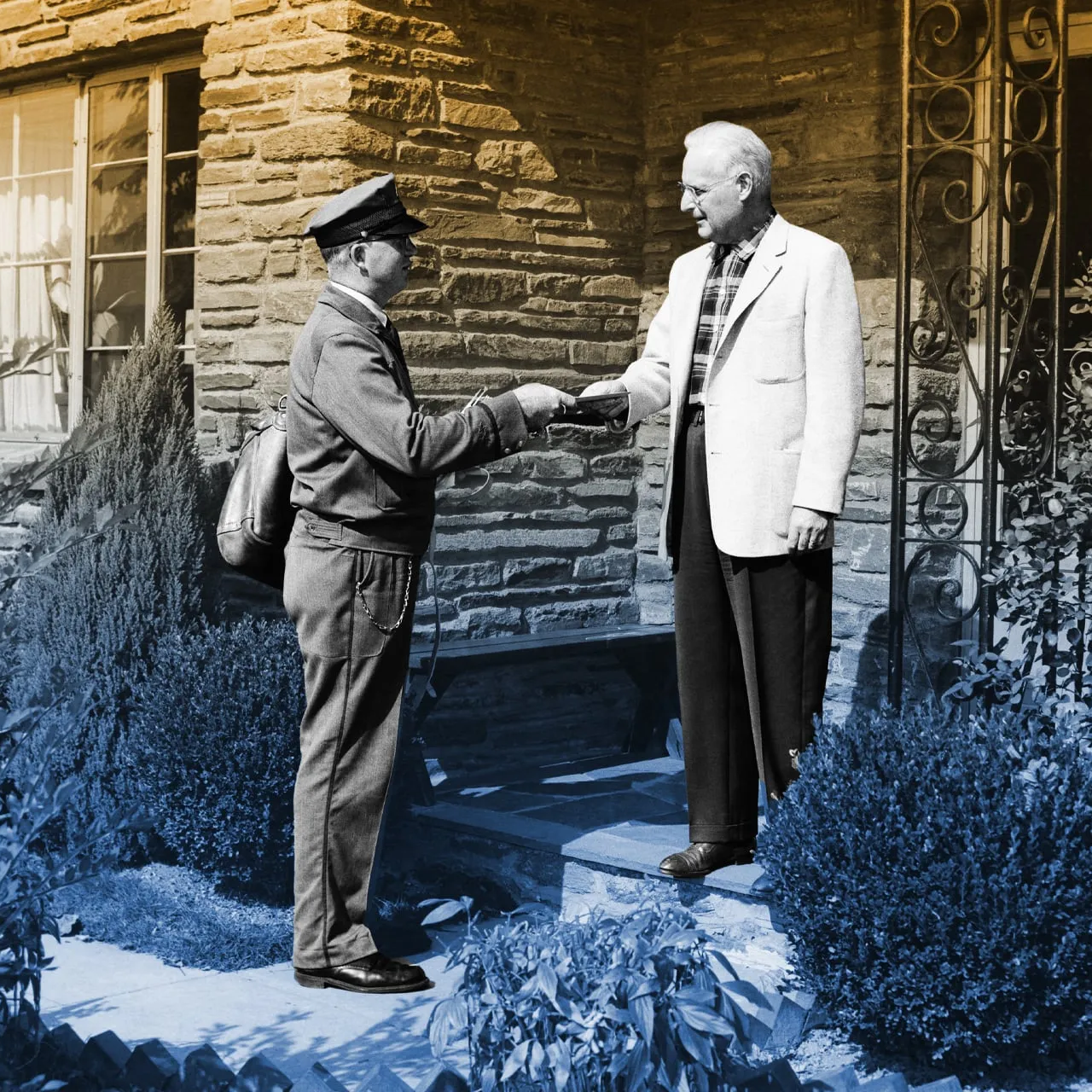
Canadians Want to Age At Home. Postal Workers Can Help.
|
| READ ARTICLE |
|
|
|
|
|
|
|
|
TMU National Institute on Ageing Fund |
|
Help create a Canada where older adults feel valued, included, supported and better prepared to age with confidence by making a charitable gift to the TMU National Institute on Ageing Fund today. Gifts to the TMU National Institute on Ageing Fund make a tangible impact on the future of ageing in Canada. You choose the amount. You make the difference. |
|
| DONATE TODAY! |
|
|
|
|
|
|
|
This email is prepared by the National Institute on Ageing at Toronto Metropolitan University's Ted Rogers School of Management for email subscribers. |
|
|
|